

Industry News
 19 2026-05
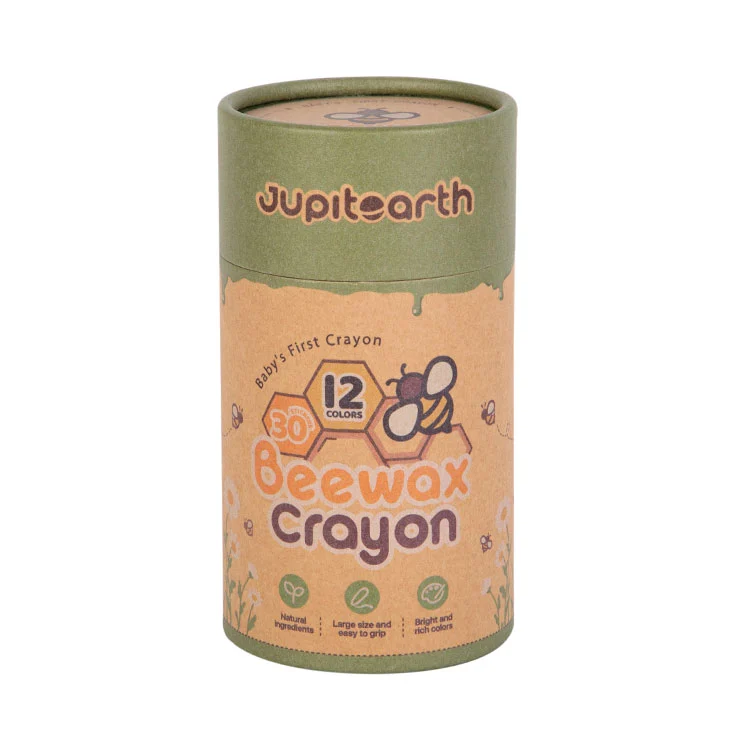
 Why Is Sustainable Recycled Paper Canister Becoming the Future of Eco-Friendly Packaging?
Sustainable packaging is no longer just a trend. Businesses and consumers around the world are actively searching for environmentally responsible alternatives that reduce waste while maintaining product quality and brand appeal. Among the most innovative solutions available today, the Sustainable Recycled Paper Canister stands out as a practical, attractive, and environmentally conscious packaging option for modern industries.
 14 2026-05
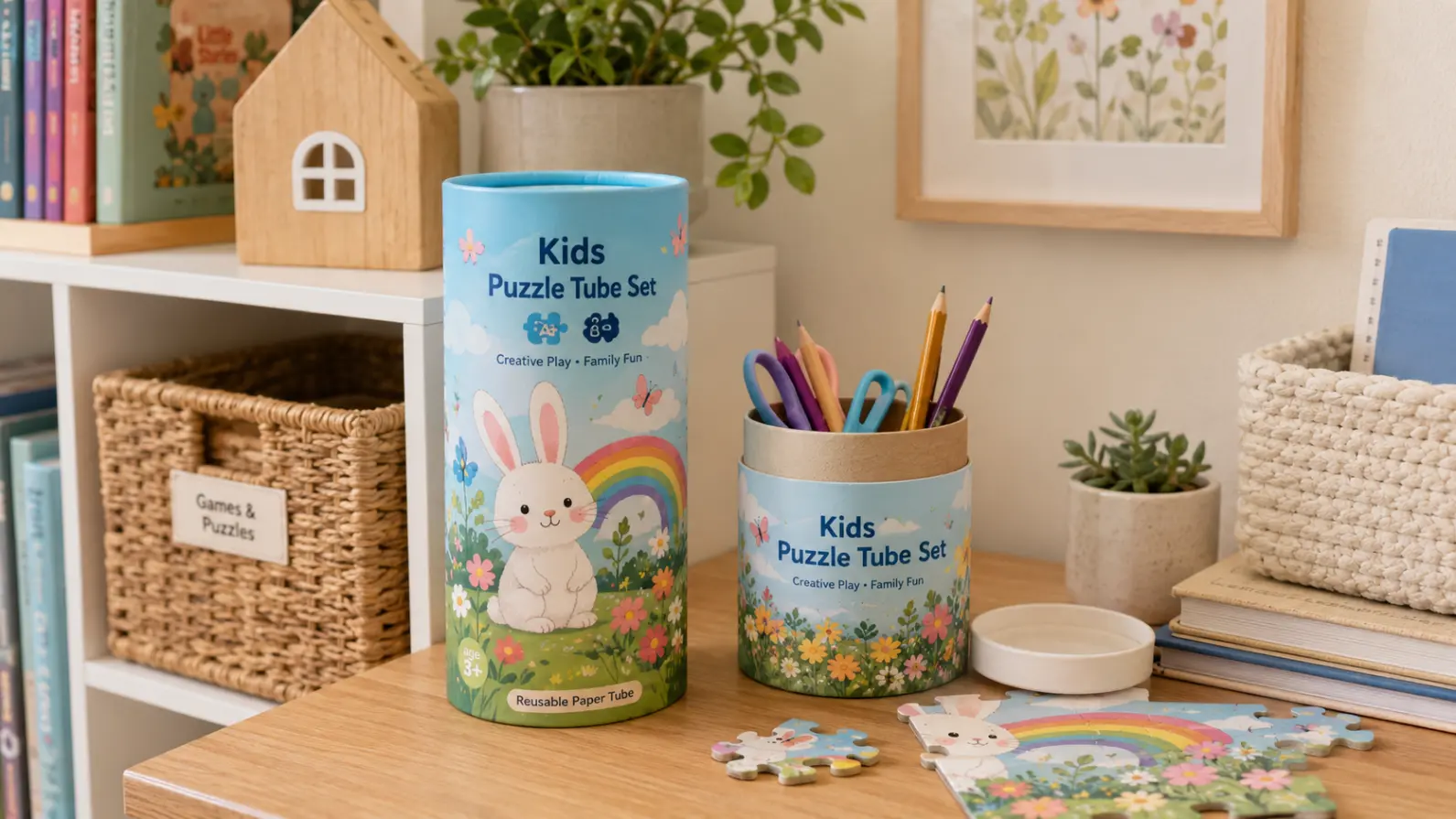
 How Cosmetic Brands Are Exploring Paper Based Packaging for Shelf Appeal
Cosmetic packaging is closely connected to touch, color, texture, and emotion. A beauty product may be judged within seconds by how the package looks on a shelf, feels in the hand, and fits into a consumer lifestyle.
 14 2026-05
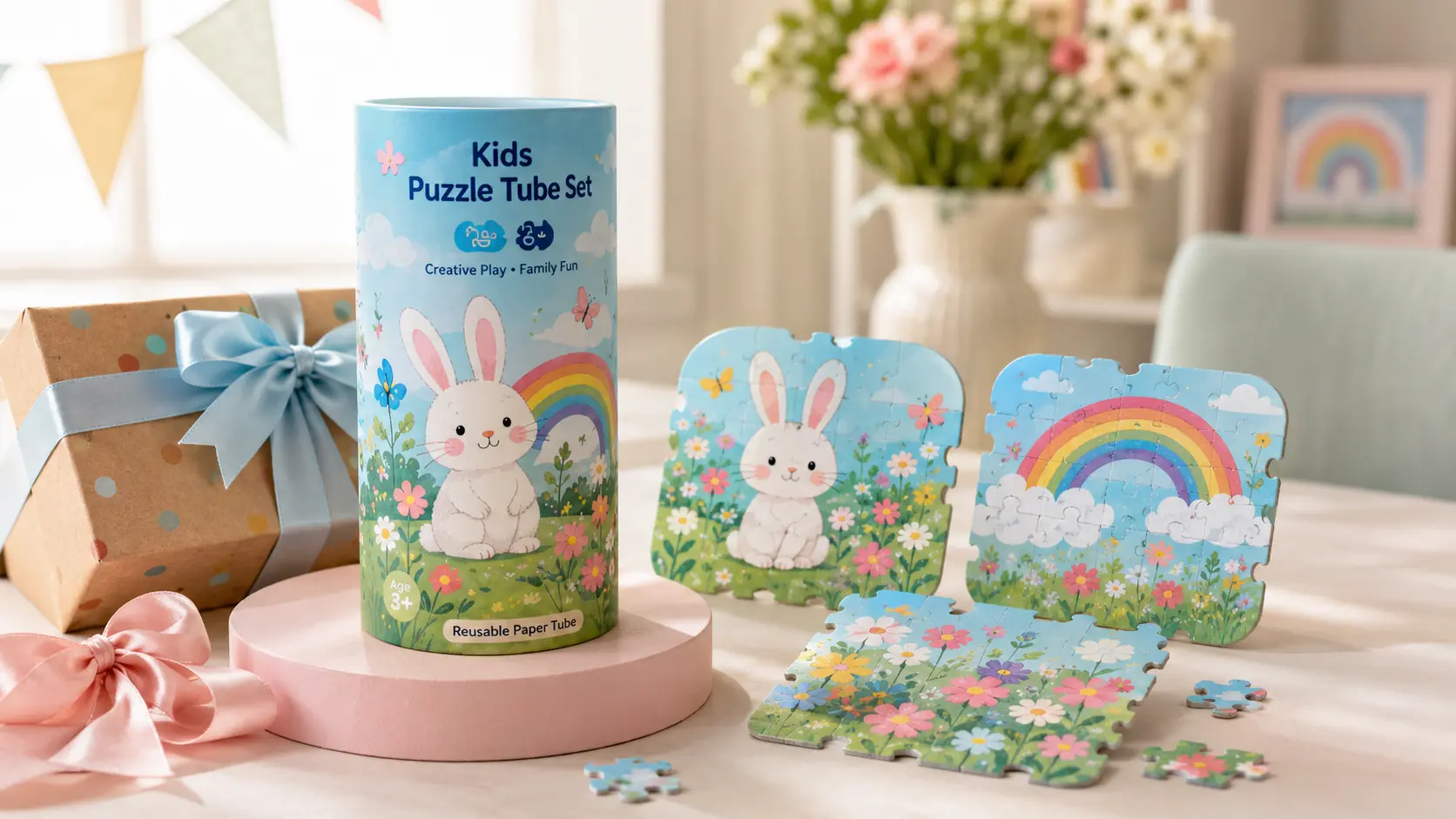
 What Makes Paper Canisters Suitable for Protein Powder and Supplements?
Protein powder, vitamins, and supplement products are connected to health, fitness, and daily routine. Their packaging needs to feel clean, reliable, and professional. Consumers often judge product trust through structure, design, and ease of use before reading all product details.
 14 2026-05
 Why Paper Tube Packaging Works Well for Tea Brands
Tea packaging has two important jobs. It needs to help protect the tea, and it needs to create a brand experience. Tea is often associated with aroma, calmness, tradition, wellness, and gifting, so the packaging should support these feelings from the first look.
 14 2026-05
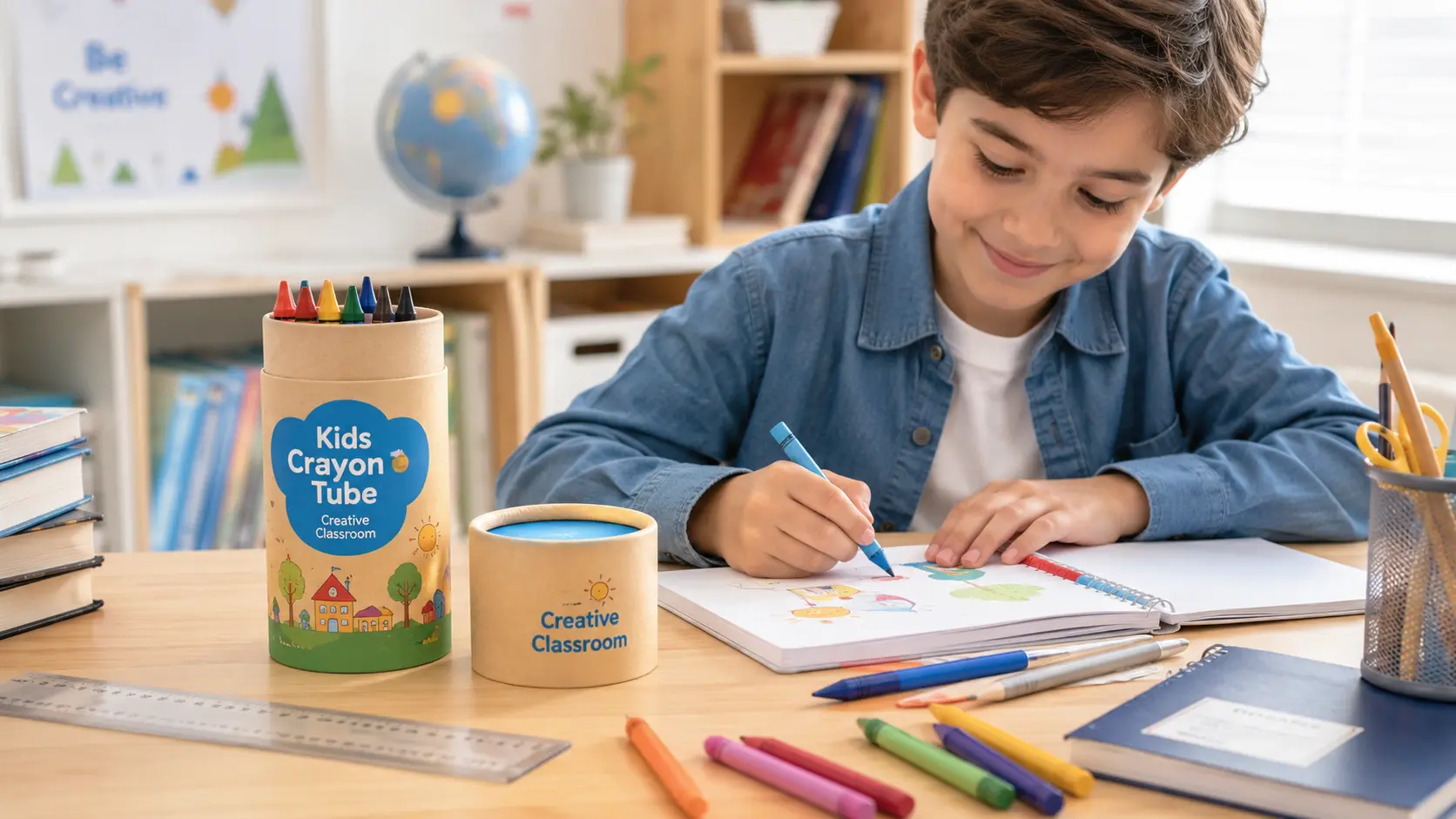
 How to Choose the Right Liner for Paper Can Packaging
The liner is one of the most important parts of paper can packaging. It helps determine how well the package protects the product inside. For tea, coffee, protein powder, supplements, nuts, snacks, cosmetics, and powdered products, the inner layer can affect moisture protection, aroma retention, oil resistance, and shelf life.
 14 2026-05
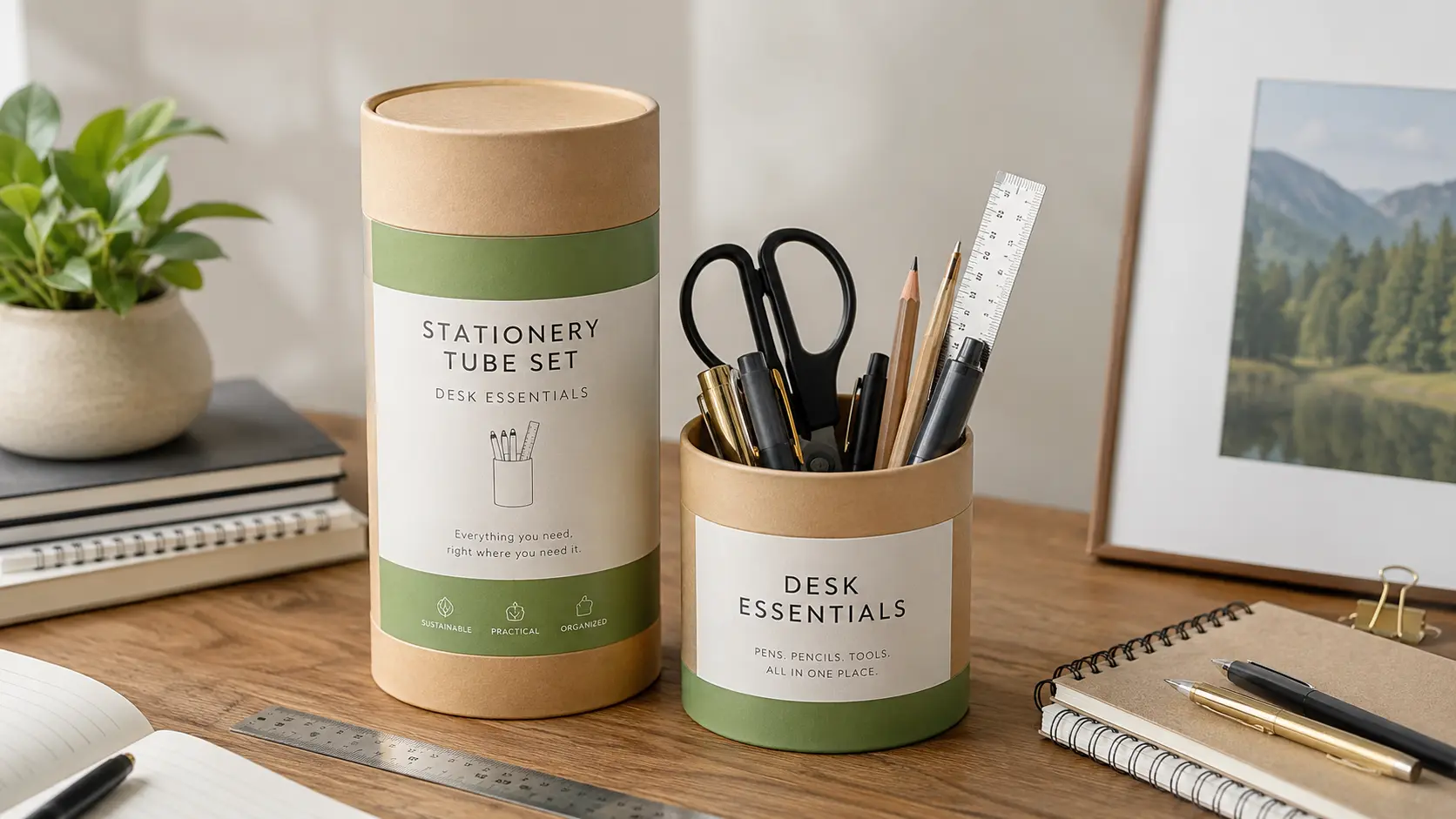
 What Affects the Cost of Custom Paper Tube Packaging?
Custom paper tube packaging cannot be priced accurately from a picture alone. Two tubes may look similar from the outside but have different diameters, heights, wall thicknesses, liner structures, lids, printing processes, and packing methods.