

Company News
 30 2026-10
World Packaging Day 2026: What Better Packaging Means for Global Brands
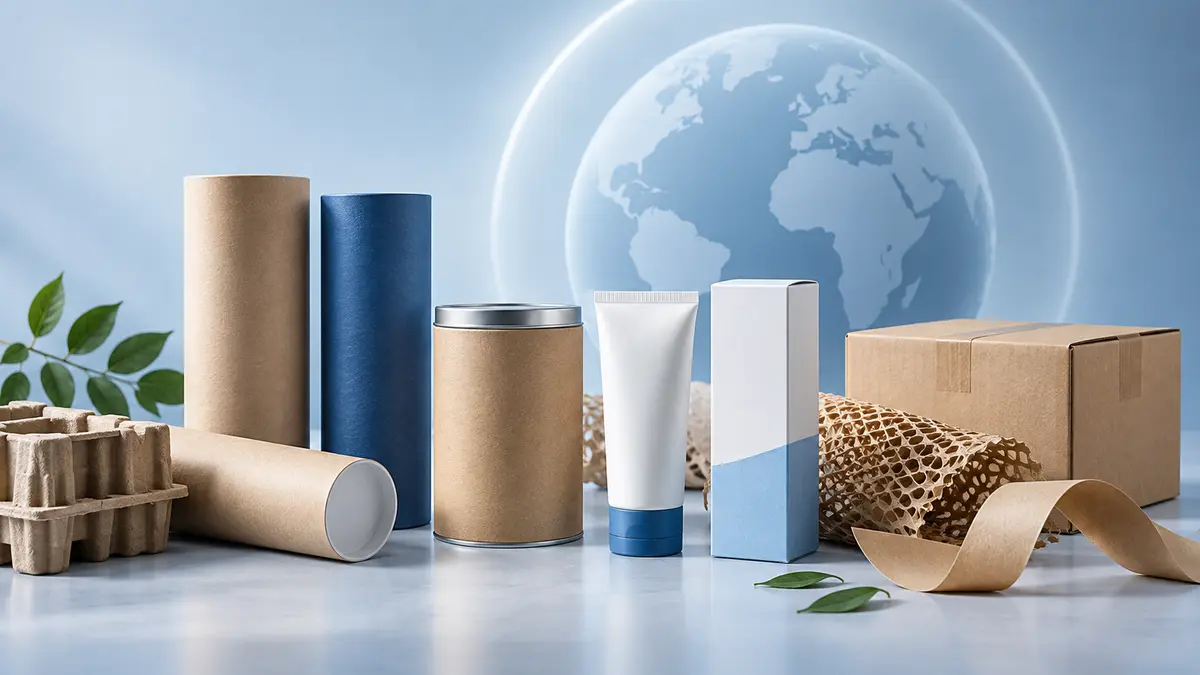
On 6 September 2026, the packaging community marked the first official World Packaging Day. The World Packaging Organisation (WPO) established the annual observance on its foundation date to recognize how packaging enables modern life and to encourage continued improvement. For brands, converters and buyers, the most useful way to mark the day is not with a slogan. It is to ask whether each package performs its full job with the least reasonable use of materials and complexity.
 30 2026-10
Paper vs Plastic Inserts: How to Choose Protection for a Paper Tube
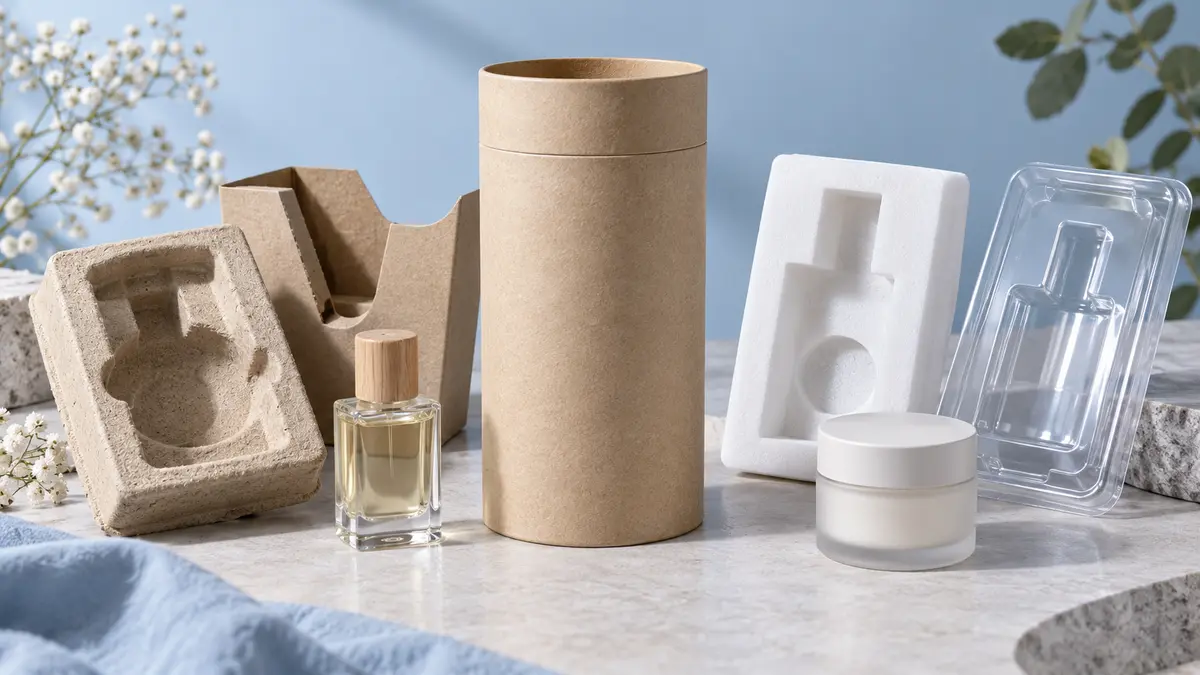
An insert is the small component that often determines whether a paper tube feels secure, opens cleanly and reaches the customer without damage. It controls movement, protects fragile points and positions the product for presentation. Yet insert selection is frequently reduced to one question: paper or plastic? That is too simple. Molded pulp, folded paperboard, corrugated board, EVA foam and thermoformed plastic trays behave differently, and none is the best choice for every product.
 30 2026-10
Food Paper Can Odor Control: A Sensory Testing Guide for Buyers
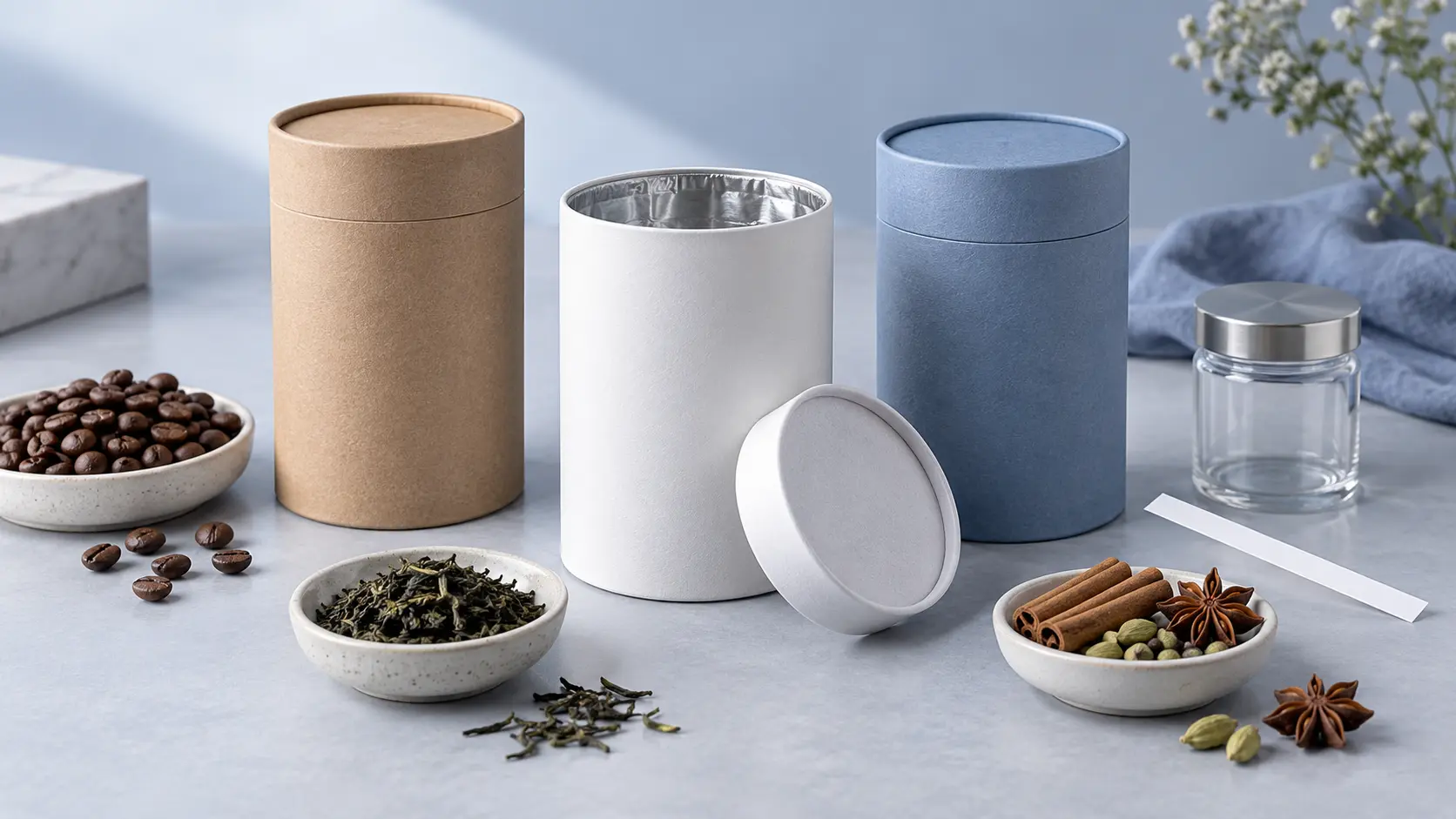
Specialty coffee, tea, spices and nutrition powders are purchased partly for their aroma and flavour. Their packaging can look premium and remain physically intact while still causing a quality complaint if paperboard, ink, adhesive, liner or warehouse odour enters the pack. For buyers, sensory neutrality should therefore be specified and verified alongside dimensions, sealing and print appearance.
 30 2026-10
How to Write a Paper Tube Packaging Specification for Reliable Quotations
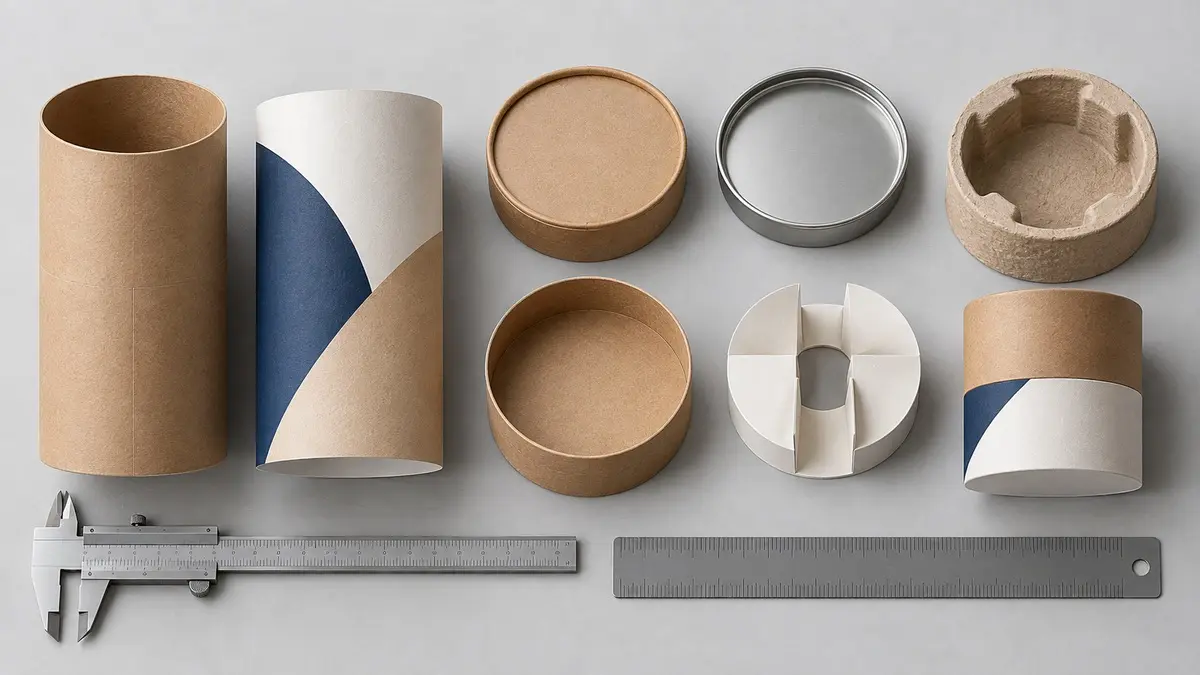
Two paper tube quotations can show the same diameter, height and print process yet describe materially different packages. One may include a paper lid and molded pulp insert, while another assumes a metal lid, no insert and a thinner export carton. Price comparison becomes unreliable when the specification does not define the complete system.