
World Packaging Day 2026: What Better Packaging Means for Global Brands
On 6 September 2026, the packaging community marked the first official World Packaging Day. The World Packaging Organisation (WPO) established the annual observance on its foundation date to recognize how packaging enables modern life and to encourage continued improvement. For brands, converters and buyers, the most useful way to mark the day is not with a slogan. It is to ask whether each package performs its full job with the least reasonable use of materials and complexity.
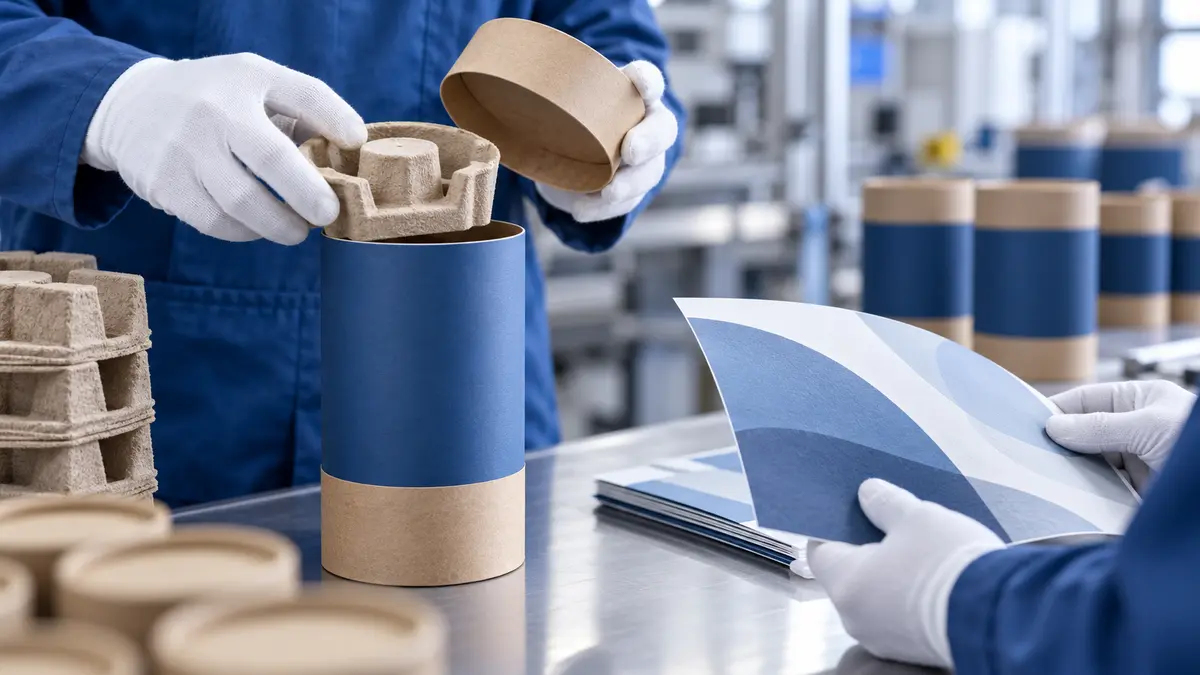
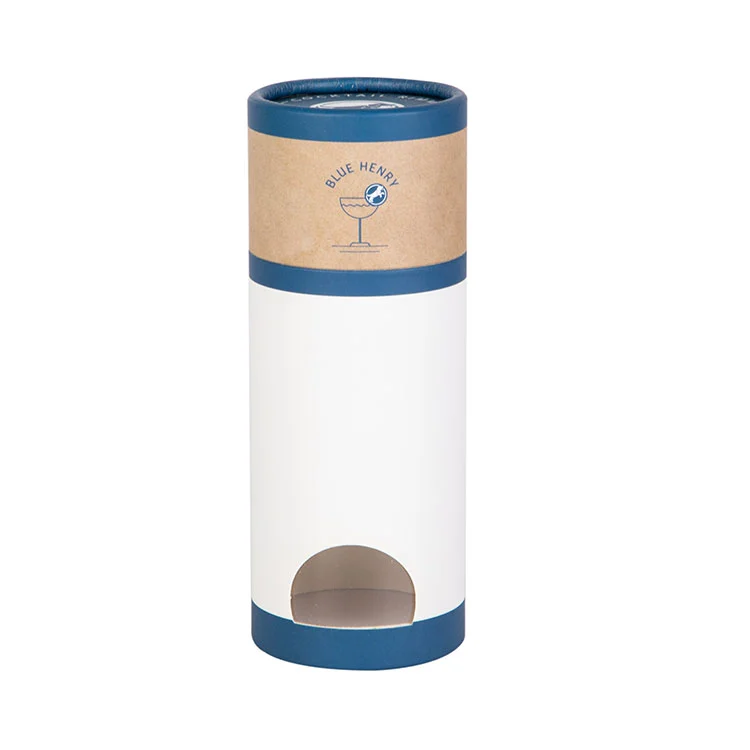
WPO presents four connected themes: Packaging for Progress, Packaging Against Food Waste, Packaging and Economic Growth, and Packaging and Sustainability. Together they show why packaging should be judged as a system. A paper tube is not only a printed cylinder. Its body, closure, liner, insert, outer carton, filling process, transport route and end-of-life instructions work together. Improving only one part can move cost or environmental burden somewhere else.
Packaging for Progress Starts With Product Protection
The first purpose of packaging is to deliver a usable product. A dented gift tube, leaking food canister, broken glass bottle or scuffed cosmetic pack wastes more than the damaged package. It may also waste the product, the energy and water used to manufacture it, the transport already completed and the replacement shipment. Better packaging therefore begins with a clear damage-risk profile.
For a custom paper tube, buyers should define product weight, geometry, fragile points, surface sensitivity, opening experience, storage conditions and distribution route. A wine bottle needs control of vertical and lateral movement. A fragrance bottle may also need protection for its pump and decoration. A nutrition powder canister needs a closure and barrier structure appropriate to the actual product. These functions should be agreed before diameter, wall construction, insert or finish is approved.
Packaging Against Food Waste Requires the Right Barrier
Food protection is not achieved by paper content alone. Tea, coffee, snacks, spices and supplements can be sensitive to moisture, oxygen, light, odour or loss of aroma. The appropriate liner, membrane and closure depend on the food, filling method, expected shelf life and market. An unnecessary barrier adds material; an inadequate barrier can create product loss. The decision should be based on defined performance requirements and relevant food-contact documentation.
Buyers should distinguish direct food-contact packaging from a decorative secondary tube around a sealed pouch or bottle. That distinction affects the documentation, testing and disposal communication required. The complete production configuration matters: changing a liner, adhesive, coating or lid can change both performance and the material description.
Packaging and Economic Growth Depend on Reliable Trade
Packaging makes products easier to identify, handle, count, store and move across markets. For exporters, a premium retail pack must also survive corrugated cases, pallets, humidity changes, warehouse handling and the chosen distribution channel. A beautiful sample is not evidence that a shipment will arrive intact.
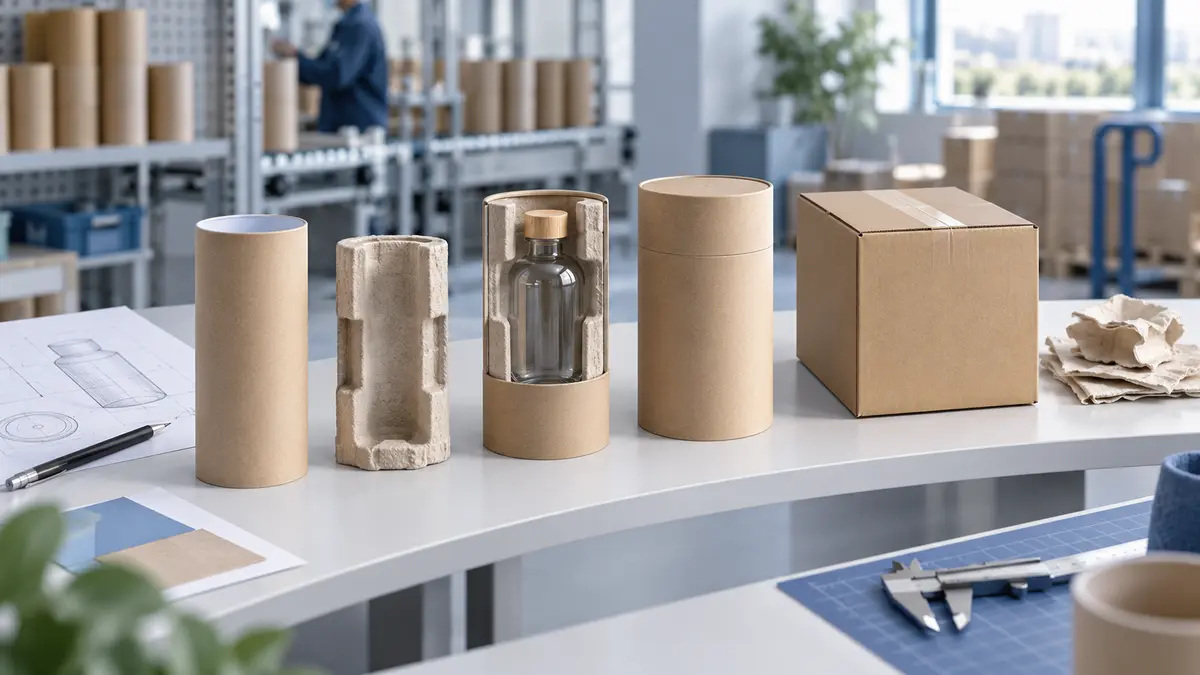
A practical development file should connect the approved product sample with the tube drawing, material list, artwork, insert design, case pack, pallet plan and acceptance criteria. Sampling and transit testing should reflect the complete shipping system. When dimensions are changed to reduce freight volume, product clearance and compression performance must be rechecked rather than assumed.
Packaging Sustainability Is a Design Discipline
The European Union Packaging and Packaging Waste Regulation entered into force on 11 February 2025 and generally began applying on 12 August 2026. The European Commission describes its direction as preventing packaging waste, improving recyclability and reuse, and reducing the use of primary raw materials. Specific obligations and dates vary, so brands must assess their own role and market. World Packaging Day provides a wider reminder: sustainability claims should be supported by the actual structure and use case.
For paper tubes, improvement can include right-sizing the diameter and height, avoiding unnecessary decorative layers, selecting a removable or compatible insert, documenting each component, and giving consumers clear separation instructions where appropriate. The goal is not simply to replace one material with another. It is to achieve the required protection with a structure that can be manufactured consistently and handled responsibly after use.
Five Questions for a Better Packaging Brief
• What failure must the package prevent: breakage, leakage, moisture gain, aroma loss, abrasion, tampering or movement?
• Which component performs each function, and can any layer, insert or decorative feature be simplified?
• Does the approved sample represent the actual product, artwork, closure, insert and distribution conditions?
• What evidence supports food-contact, performance, recycled-content or recyclability claims?
• How will material or process changes be communicated, reviewed and reapproved?
From Celebration to Buyer Action
World Packaging Day is a WPO industry initiative, not a regulation or certification. Its value lies in creating a shared date for the industry to explain what packaging does and where it must improve. Brands can use the occasion to review one active project: document the product risks, remove unnecessary space or components, verify protection, and check whether the consumer can understand the pack at end of life.
Wenzhou Yiya Packaging Co., Ltd. has manufactured paper packaging since 2000. Its website presents custom paper tubes and paper cans for food, wine, cosmetics, gifts and other applications, together with design, production tracking and quality-inspection services. These capabilities can support a structured development process, while the final specification and market compliance remain product- and destination-specific.
Conclusion
The lesson of World Packaging Day 2026 is that better packaging is not defined by appearance or a single material claim. It protects the product, supports efficient distribution, communicates clearly and is designed with resource use and recovery in mind. Buyers who treat the tube, insert, closure and shipping case as one system are better placed to reduce avoidable damage and make credible improvements.
Contact Yiya Packaging with your product dimensions, weight, target market, distribution route, protection needs, artwork and preferred materials to discuss a custom paper-tube or paper-can sample for evaluation.
Frequently Asked Questions
When is World Packaging Day?
World Packaging Day is observed on 6 September. WPO announced the first official observance for 2026 and aligned it with the organisation’s foundation date.
Is World Packaging Day a United Nations observance or regulation?
No. It is an industry initiative established by the World Packaging Organisation. It does not create legal obligations or certify a package.
Why should packaging buyers care about product loss?
If packaging fails, the discarded product and replacement logistics can create costs and resource use far beyond the packaging itself. Protection requirements should therefore be part of sustainability decisions.
Does a paper tube automatically count as sustainable packaging?
No. Buyers should assess the complete structure, product protection, material use, sourcing evidence and recovery route in the destination market.
What should a brand send for a custom paper-tube quotation?
Send product dimensions and weight, photos or samples, quantity, target market, distribution route, protection and barrier needs, closure and insert preferences, artwork requirements and schedule.
Related News
Leave me a message


News Recommendations