
How to Write a Paper Tube Packaging Specification for Reliable Quotations
Two paper tube quotations can show the same diameter, height and print process yet describe materially different packages. One may include a paper lid and molded pulp insert, while another assumes a metal lid, no insert and a thinner export carton. Price comparison becomes unreliable when the specification does not define the complete system.
A useful paper tube packaging specification connects the product, structure, appearance, performance, packing method and acceptance process. It gives the buyer and manufacturer one working reference from quotation through sample approval and repeat production.
World Standards Day and Clear Packaging Language
World Standards Day is observed on 14 October by IEC, ISO and ITU. The 2026 programme highlights a shared vision for a better world and the role of standards in practical, collaborative solutions. For packaging buyers, the commercial lesson is straightforward: shared definitions and agreed evidence reduce avoidable interpretation across companies and countries.
ISO Technical Committee 122 covers packaging terminology, characteristics, performance requirements and tests. ISO 21067-1 provides preferred packaging and materials-handling terms for international commerce. These publications do not replace a project-specific drawing or contract, but they show why a consistent vocabulary matters when several teams approve one package.
Start With the Product and Use Case
Begin the RFQ with the actual product rather than a tube copied from an earlier project. Record maximum and minimum product dimensions, filled weight, surface sensitivity, fragile areas and how the customer removes the product. Add the sales market, filling location, storage conditions, distribution channel and expected order quantity. A glass perfume bottle, protein powder pouch and wine bottle need different fit, barrier and handling decisions even when their outer tubes appear similar.
Identify Every Packaging Component
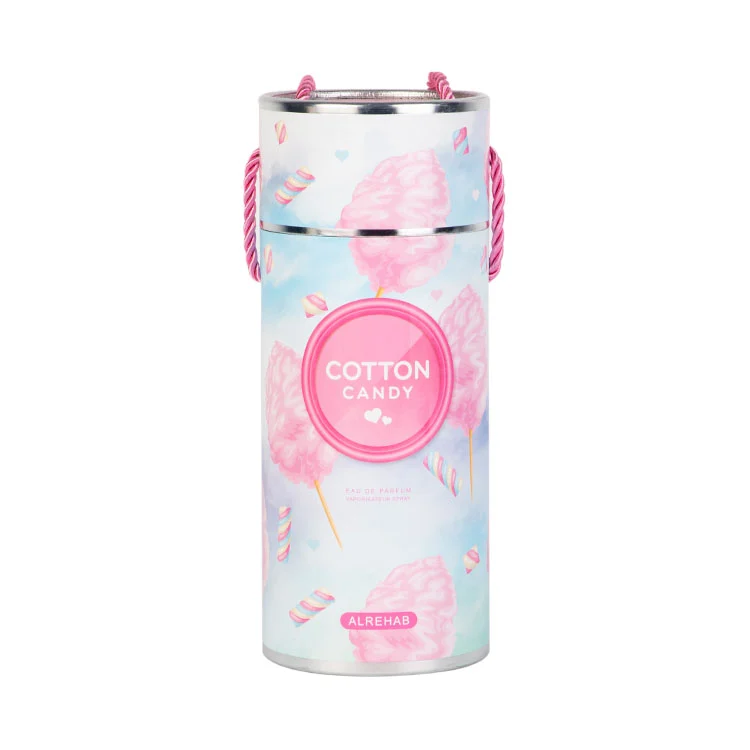
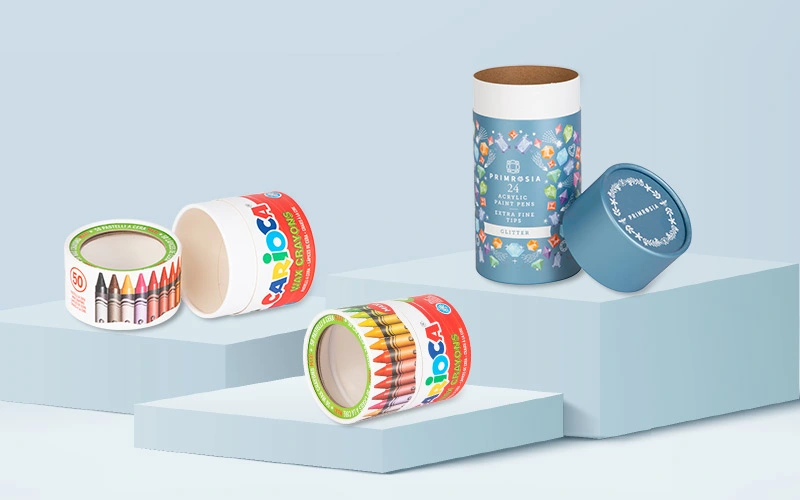
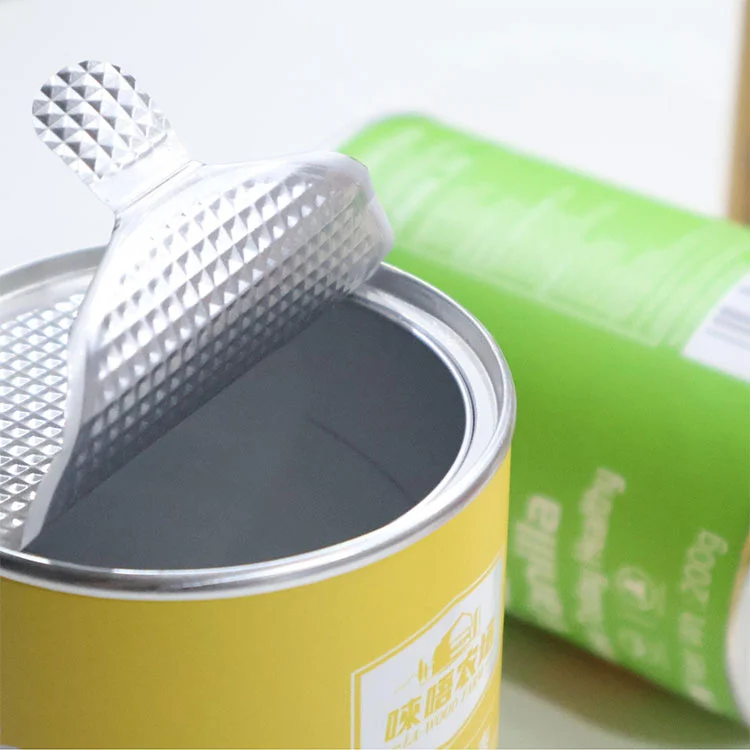
Name each component separately: spiral-wound body, shoulder or neck, lid, base, liner, seal, insert, printed wrap, label, ribbon and export packing. State the material and construction of each part. Terms such as paper tube, cardboard canister or eco package are not enough to identify whether a lid is all paper, metal or plastic, whether the base is rolled or inserted, or whether a barrier layer is present.
For every optional component, state whether it is included in the quoted unit price. If the buyer wants several alternatives, request separate configurations instead of combining them in one ambiguous line. This makes cost, material declarations and artwork responsibilities easier to compare.

Define Dimensions by Function
A specification should distinguish internal diameter, external diameter, usable internal height, overall height, body wall thickness and lid overlap. It should also identify where and how each measurement is taken. For a fitted insert, record the product datum, contact areas, clearance and permitted movement rather than relying only on the insert outside dimensions.
Tolerance should follow function. A dimension that controls bottle fit or lid engagement may need tighter control than a decorative edge. The buyer should agree how a measured variation becomes a functional defect, and should approve boundary samples where product dimensions vary. This prevents a drawing from becoming a list of numbers disconnected from actual use.
Separate Appearance Requirements From Performance
Describe the substrate, paper colour, surface texture, print method, colour reference, coating, lamination and special finishes. Identify approved artwork files and orientation relative to the seam, lid and opening feature. For foil stamping or embossing, define the approved position and the areas where small variation would affect branding or readability.
Then specify performance separately. Relevant requirements may include lid retention, opening experience, insert fit, product removal, seal integrity, odour, abrasion, compression or distribution testing. Do not use a finish description such as premium matte as evidence of transport protection. Appearance and function need their own approval criteria.
State the Evidence Required for Each Claim
If the brief includes recyclable, plastic-free, food-contact, recycled-content or certified-fibre statements, identify the exact component covered and the evidence the buyer expects. A supplier certificate, material declaration, laboratory report and chain-of-custody document answer different questions. The final claim must match the complete approved structure and the rules of the destination market.
ISO 18602 addresses optimization of packaging weight or volume while maintaining packaging functions. It should not be cited as proof that a particular paper tube is automatically optimized or environmentally preferable. The project file still needs the chosen structure, functional requirements and supporting assessment.
Create a Sample Approval Hierarchy
Define what each approval stage proves. A digital proof checks artwork content. A material swatch checks paper and finish. A structural sample checks dimensions and assembly. A printed production-equivalent sample checks colour, finish, fit and opening. A signed golden sample provides a physical reference for mass production, but it should be supported by measurable specifications and approved files.

Write Acceptance Rules Before Production
List critical, major and minor characteristics relevant to the project. State the inspection method, tool, measurement location, sample condition and decision rule. ISO 2233 covers conditioning of complete filled transport packages and unit loads for testing; when environmental conditioning matters, the specification should record the actual test condition and duration instead of simply writing tested to ISO standards.
Acceptance rules should cover both measurable results and visual workmanship. Examples include wrong material, unsafe contamination, product misfit, unreadable mandatory copy, severe colour mismatch, loose lid, crushed rim, visible glue and surface scuffing. The buyer should decide which findings block shipment and which allow documented concession.
Include Export Packing and Label Data
Specify units per inner pack and carton, carton dimensions and weight limits, orientation, dividers, protective bags, pallet pattern, pallet height and required shipping marks. Identify who supplies barcodes, carton labels and country-specific information. A paper tube can pass product approval yet still arrive damaged if the export carton and pallet plan remain undefined.
Control Revisions and Supplier Changes
Give the specification a document number, revision, owner and approval date. Link each approved artwork, drawing, test report and golden sample to that revision. Require notice before changing paperboard grade, lid material, liner, adhesive, coating, insert, print route or subcontractor. A repeat order should use the current approved revision, not the last email attachment found by either party.
Paper Tube RFQ Checklist
· Product dimensions, weight, sensitivity, loading method and removal experience.
· Destination market, sales channel, storage, filling and distribution conditions.
· Component list with materials, lid, base, liner, insert and decorative elements.
· Internal and external dimensions, measurement points and functional tolerances.
· Artwork version, paper, print, colour reference, coating and finishing requirements.
· Performance checks, test conditions, evidence and acceptance rules.
· Sample stages, approved reference files and golden sample ownership.
· Carton, pallet, labels, shipping marks, revision control and change notification.
Working With Yiya Packaging
Wenzhou Yiya Packaging Co., Ltd. was established in 2000. Its English website describes a 10,600-square-metre factory, five fully automated and three semi-automated production lines, three Heidelberg printing machines and more than 100 employees. These published capabilities support projects that require coordinated structure, printing and production control.
Send Yiya the actual product or reliable drawings, target quantity, destination market, preferred materials, artwork, filling method, distribution route and required evidence. The team can use that information to clarify the structure and prepare samples before mass production. Contact Yiya Packaging to develop a project-specific paper tube packaging specification and quotation.
Conclusion
A good specification is not the longest document. It is the shortest complete description that lets the buyer and factory identify the same package, test the same functions and control the same approved version. That clarity makes quotations more comparable and repeat orders easier to manage.
Frequently Asked Questions
What should be included in a paper tube RFQ
Include product dimensions and weight, tube structure, component materials, print and finish, quantity, destination, packing method, performance needs, evidence requirements and sample expectations.
Is a golden sample enough for mass production
No. It is a useful visual and functional reference, but measurable dimensions, materials, files and acceptance rules are still needed to inspect a production lot and manage repeat orders.
Should every dimension have the same tolerance
No. Tolerances should reflect function, process capability and measurement method. Dimensions controlling fit, closure or product protection may need different limits from decorative dimensions.
Does citing an ISO standard certify the paper tube
No. A citation identifies a reference or method. Certification, testing and conformity claims require their own applicable scope and evidence. Buyers should state exactly what result or document is required.
When should a packaging specification be revised
Revise it when an approved material, dimension, component, artwork, process, supplier, test requirement or packing method changes. Record the new revision and withdraw obsolete files from production use.
Related News
Leave me a message
News Recommendations