
Paper Tube Quality Control in 2026: A Practical AQL Inspection Guide for Buyers
A beautifully finished paper tube sample can win approval in a meeting. It cannot prove that thousands of production units will match the same dimensions, lid fit, print appearance and packing condition. For a repeat order, the buyer needs a controlled specification and a sampling plan that turns subjective expectations into repeatable inspection decisions.
That discussion is timely. ISO published the third edition of ISO 2859-1 in January 2026. The standard provides AQL-indexed sampling schemes for lot-by-lot inspection by attributes, replaces the 1999 edition and adds updated guidance, including skip-lot procedures and switching rules. It does not create a universal AQL for paper tubes. Buyers and suppliers must still agree what counts as a defect, how serious it is, which inspection plan applies and what happens when a lot fails.
Why one golden sample is not a quality plan
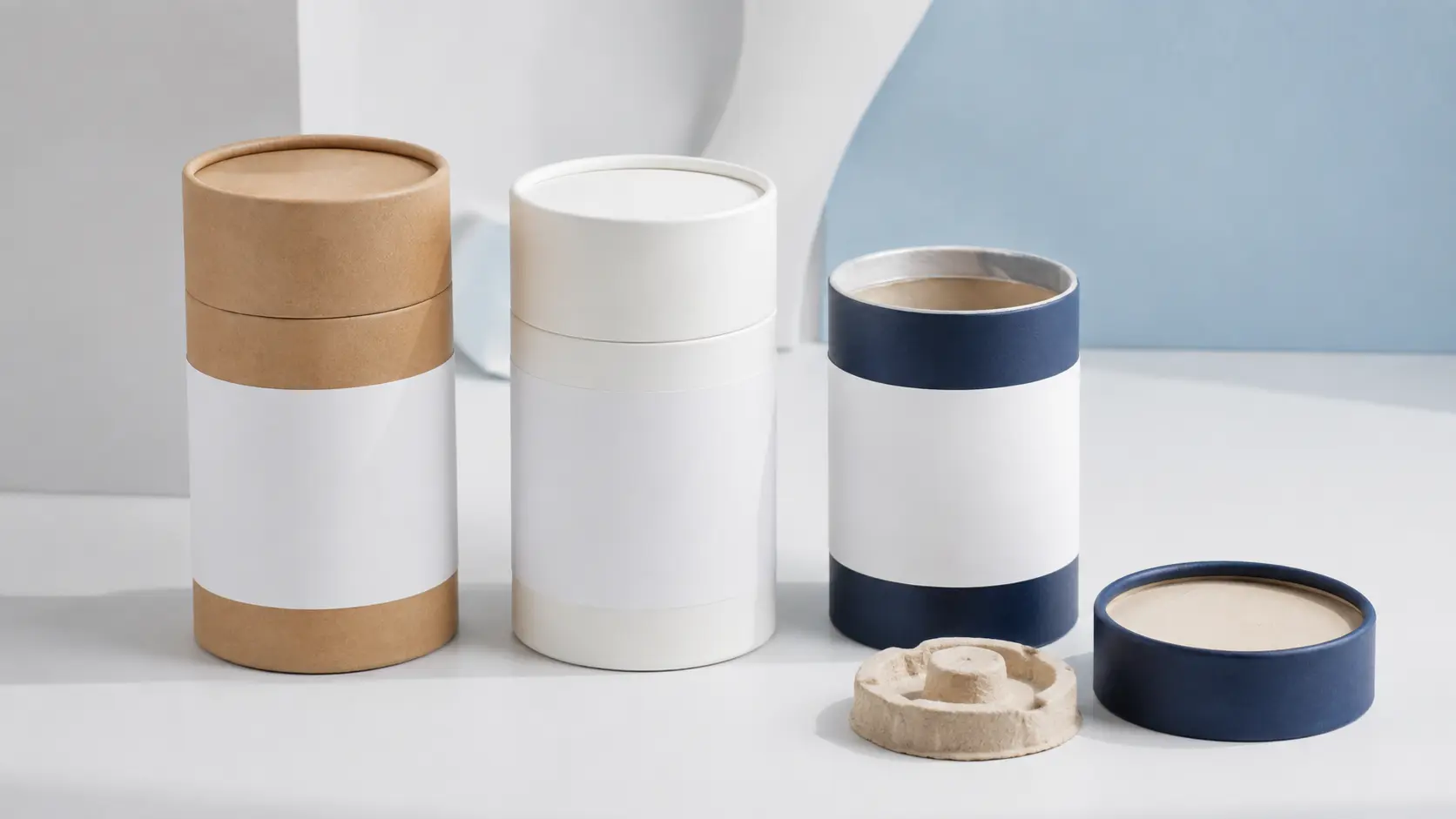
An approved sample is valuable because it fixes the intended structure, artwork, colour direction, lid style and opening experience. However, it represents one physical item at one moment. It does not define the production lot, the random selection method, the measuring tools, the viewing conditions or the acceptance and rejection numbers.
A useful pre-shipment plan therefore connects four things: the signed specification, the approved reference sample, an agreed defect catalogue and a documented sampling scheme. If one element changes - such as the tube diameter, wrap paper, lid supplier, ink, finish or carton quantity - the buyer should decide whether the approval and inspection plan need revision.
Start with a defect catalogue buyers can actually use
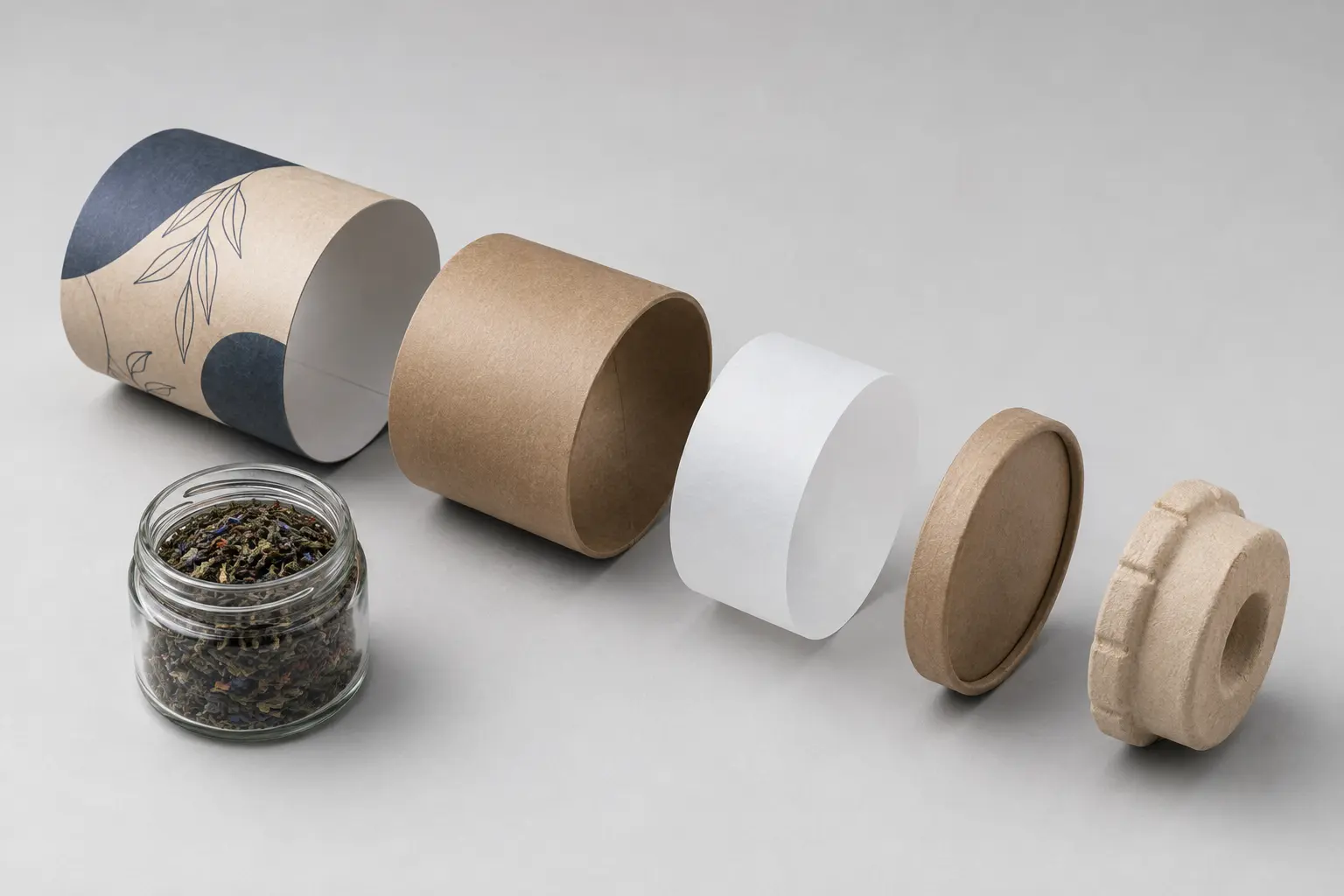
Attribute inspection classifies each inspected unit as conforming or nonconforming for a defined characteristic. Before choosing sample sizes, write observable defect descriptions. Photographs and boundary samples are more useful than vague words such as “good,” “tight” or “premium.”
Critical, major and minor are risk decisions
A buyer may classify a defect as critical when it creates an unacceptable safety, legal or product-integrity risk; major when it is likely to affect use, saleability or brand presentation; and minor when it is a limited appearance issue that does not materially affect use. These labels are not automatic. A sharp exposed metal edge, wrong product-contact component, incorrect SKU artwork, loose lid or small scuff can have different consequences depending on the product and market. Agree the classification before production.
Critical, major and minor are risk decisions
A buyer may classify a defect as critical when it creates an unacceptable safety, legal or product-integrity risk; major when it is likely to affect use, saleability or brand presentation; and minor when it is a limited appearance issue that does not materially affect use. These labels are not automatic. A sharp exposed metal edge, wrong product-contact component, incorrect SKU artwork, loose lid or small scuff can have different consequences depending on the product and market. Agree the classification before production.
Convert subjective expectations into inspection points
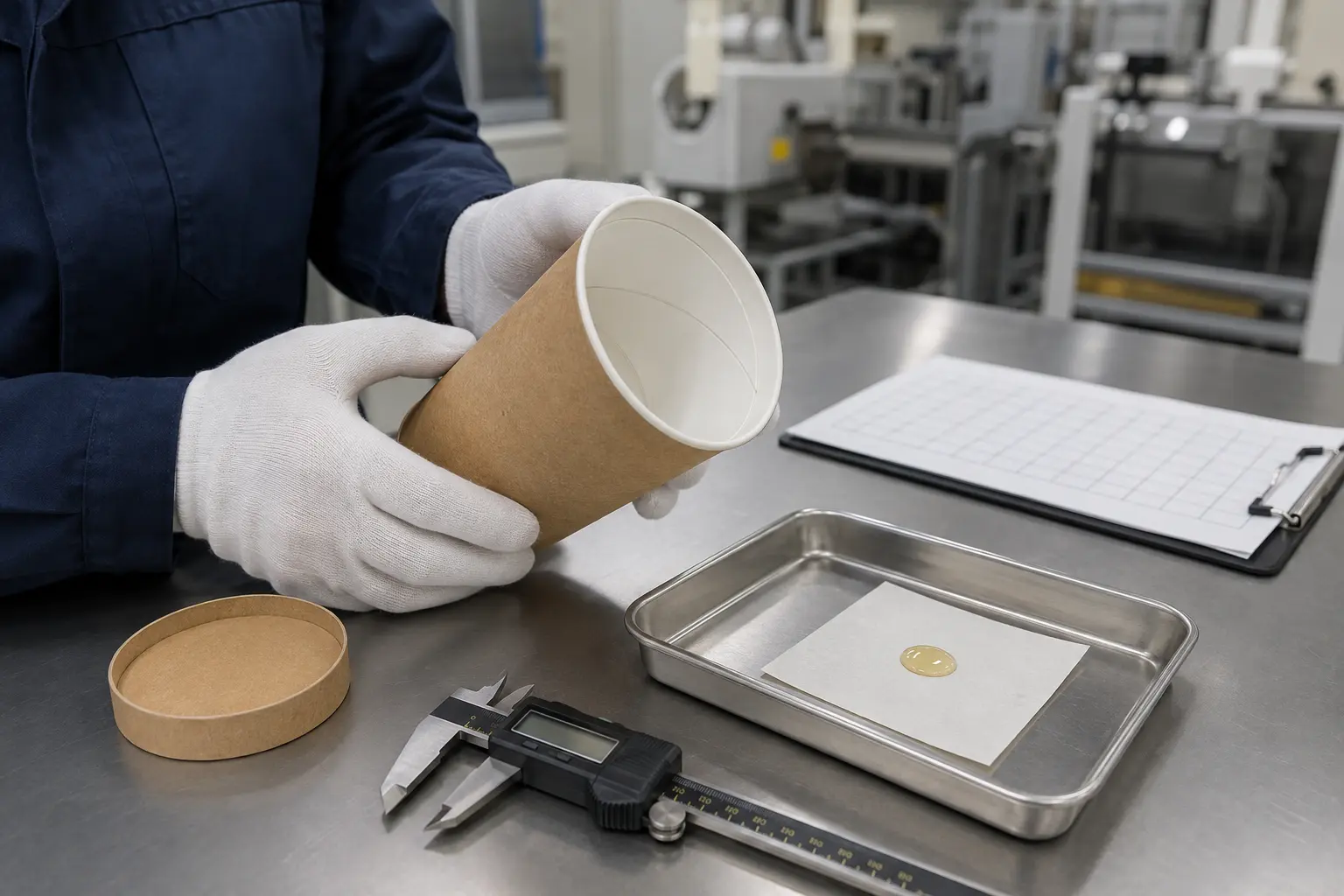
Dimensions: identify outside or inside diameter, height, measurement location, tool and agreed tolerance.
Roundness and rim condition: define how ovality, crushing, delamination or an uneven rolled edge will be judged.
Lid fit: specify the approved lid/body pairing, opening and closing method, number of cycles and any agreed force method.
Artwork: set the approved file revision, print orientation, seam position, colour reference, viewing light and acceptable registration range.
Surface finish: define limits for scratches, foil gaps, bubbles, wrinkles, glue marks and coating variation with visual boundary samples.
Cleanliness and odour: state the product-specific requirement, inspection environment and escalation process.
Packing: confirm unit orientation, protective dividers, bagging where used, carton quantity, carton marks and pallet configuration.
Build the sampling plan around the real production lot
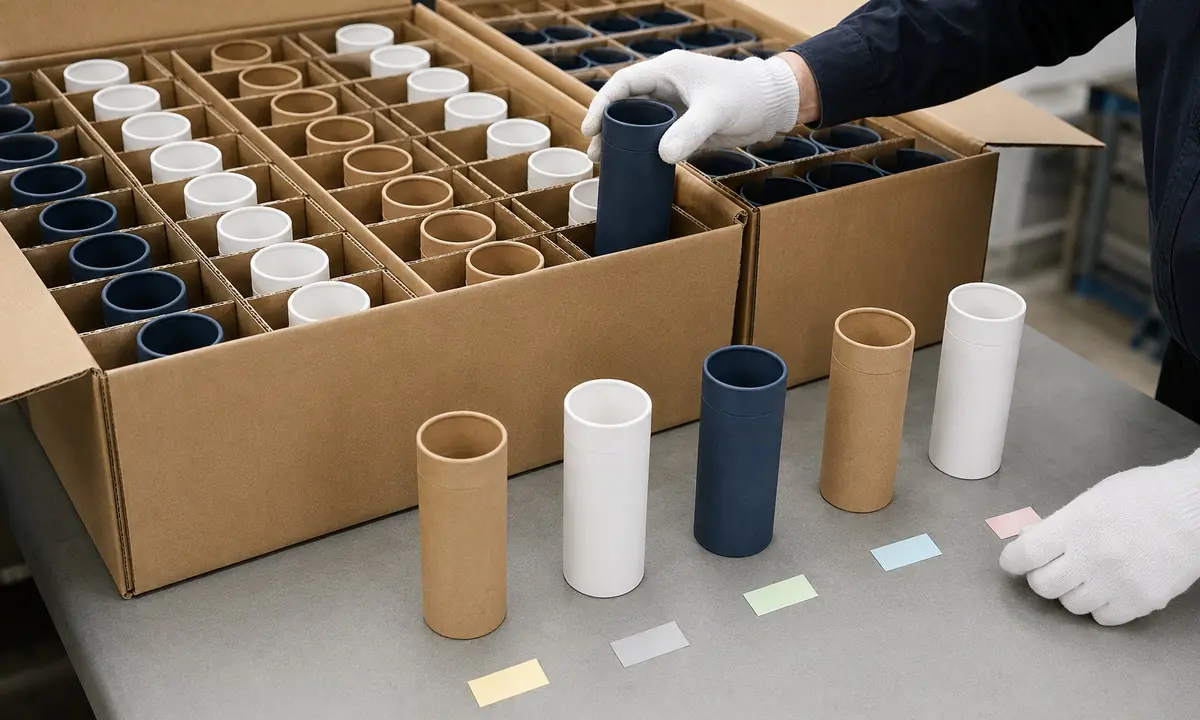
A sample is only useful when it represents the lot. Define the lot by purchase order, SKU, artwork revision, production period and packing completion status. Random selection should reach different cartons and positions rather than taking the easiest units from the top of one carton. Keep the carton numbers or selection map in the inspection record.
ISO 2859-1:2026 can support single, double or multiple sampling schemes indexed by AQL, with rules for normal, tightened, reduced and skip-lot inspection. The correct plan depends on the contract, lot size, inspection level, defect class and performance history. Do not copy an online “standard AQL” table without confirming that it is the licensed, current method and that both parties understand the risks of acceptance sampling.
Skip-lot inspection should never mean “stop inspecting because recent orders looked fine.” The new edition describes it as a controlled procedure within a defined system. A buyer considering reduced or skip-lot inspection should establish eligibility, switching and return-to-normal rules, and retain enough history to justify the decision.
Condition paper-based packaging before comparing results
Paper and paperboard respond to the surrounding atmosphere. ASTM D685-22 explains that temperature and relative humidity significantly affect physical properties and defines atmospheres for conditioning and testing paper products and containers. ISO 2233:2000 covers conditioning of complete, filled transport packages and unit loads before testing.
For paper tubes, this means a dimension or lid-fit result is incomplete if the sample history is unknown. Record where samples were stored, how long they were allowed to stabilize and the conditions used for measurement. If the product will travel through a humid or dry route, the buyer and laboratory can define additional conditioning or distribution simulations appropriate to that route. Do not treat a normal laboratory atmosphere as a universal tropical-shipping test.
Inspect the filled pack and its shipping system
The empty tube may pass visual inspection while the complete pack still fails in distribution. Product weight, headspace, insert design, lid retention, master-carton strength and pallet pattern all influence performance. Use production-representative components and the intended filled product or a justified simulator when validating shipment protection.
ISTA identifies Procedure 3A for individual packaged products moving through parcel delivery at 150 lb (70 kg) or less, while Procedure 3B addresses less-than-truckload shipments, including cylindrical and palletized packs. These are route-specific tools, not default claims that every paper tube has “passed ISTA.” Select a procedure with a qualified laboratory based on the actual distribution channel and record the tested configuration.
Six records to request before shipment release
1.Controlled specification. Dimensions, materials, lid and insert versions, artwork revision, finishes, packing method and approved date.
2.Golden sample record. Signed or sealed reference samples, colour standards and visual boundary samples where needed.
3.Sampling instruction. Lot definition, sampling standard and edition, inspection level, AQLs or other acceptance criteria, and defect classes.
4.Inspection report. Random selection evidence, quantities checked, defect counts by class, measurement results and clear photographs.
5.Disposition record. Release, rework, sorting, concession or rejection decision, including who authorised it.
6.Change log. Any material, process, tooling, artwork, lid, packing or subcontractor change made after approval.
How to brief a paper can manufacturer
Send the product dimensions and weight, intended market, tube structure, lid style, insert, artwork, finish, filling method, shipping route, order quantity and inspection expectations in one brief. Ask the supplier to identify measurement datums and to separate attributes that can be checked visually from variables that require measurement or functional testing.
Yiya Packaging’s public website says the company has focused on paper packaging since 2000 and presents a quality-driven process from raw-material selection through production. It also lists five automatic lines, three semi-automatic lines and three Heidelberg printing machines. These facts provide production context; they do not mean a specific order automatically follows ISO 2859-1 or any buyer-defined AQL. The inspection plan must be written into the project requirements.
Conclusion: approve the decision rules, not only the sample
Reliable paper tube quality control begins before mass production. Freeze the specification, define the lot, classify defects, select a current sampling plan, condition samples appropriately and keep evidence tied to the correct SKU and revision. A golden sample shows what the buyer wants; a documented inspection plan explains how a shipment will be accepted.
Planning a custom paper tube order? Share your product, dimensions, lid and insert needs, artwork, destination, quantity and inspection requirements with Yiya Packaging. The team can discuss a controlled packaging specification and sampling preparation for your review. Final acceptance criteria should be agreed by the buyer, supplier and any appointed inspection provider before production.
Frequently Asked Questions
Does ISO 2859-1:2026 set one AQL for all paper tubes?
No. It provides sampling schemes indexed by AQL. The buyer and supplier must agree the defect classes, inspection level, AQL or other acceptance criteria and disposition rules for the actual order.
Is a golden sample still necessary?
Yes. It is a physical reference for structure and appearance, but it should be paired with measurable specifications, defect examples and a sampling plan.
Should every paper tube in a shipment be inspected?
Acceptance sampling evaluates a defined lot through selected units. Some safety-critical, regulatory or high-risk characteristics may need different controls or 100% screening, as agreed by qualified parties.
Why should paper tubes be conditioned before measurement?
Paper responds to temperature and relative humidity. Recording sample conditioning makes dimension and fit results more comparable and helps explain changes between factory, laboratory and destination conditions.
What should happen if the sampled lot fails?
Follow the agreed disposition process. Options may include rejection, controlled sorting, rework and reinspection, or a documented concession by the authorised buyer. Do not silently draw another sample until the lot passes.
Previous :
-
Related News
- How Food Brands Should Review Paper Tube Barrier Packaging?
- What Light-Blocking Eco Cardboard Tubes Help Niche Perfume Brands Pass EU PPWR Audits?
- How Do Composite Wine Paper Cylinders Solve Export Compliance & Logistics Breakage Troubles For Spirits Brands?
- Why Is a Kraft Paper Tube Essential for Modern Packaging Solutions?
- Why Is Recycled Paper Tube Packaging Becoming Essential for Modern Brands?
- Why Is Sustainable Recycled Paper Canister Becoming the Future of Eco-Friendly Packaging?
Leave me a message