
What Brands Should Know About Flexible Packaging and Recycling Challenges
Why Flexible Packaging Is Widely Used
Flexible packaging is widely used because it is lightweight, efficient, and adaptable to many product formats. It can reduce transportation volume, protect products in compact formats, and support many fast moving consumer goods categories.
These advantages explain why flexible packaging remains important in many industries. For packaging buyers, the useful question is not whether one material should disappear. The more practical question is how each packaging format performs across production, distribution, use, and after use.

Why Recycling Flexible Packaging Can Be More Complex
Flexible packaging often involves films, multilayer structures, small formats, and specialized processing conditions. These features can make collection, sorting, and recycling more complex than consumers may expect.
The Ellen MacArthur Foundation has discussed the role of paper as one part of the solution to flexible packaging pollution, especially for selected applications where paper based formats can meet product needs and improve after use outcomes. The report also emphasizes that material changes need to be evaluated carefully, with performance and circularity considered together.
Why Brands Are Reviewing After Use Pathways
Many brands are now reviewing what happens to packaging after consumers finish the product. This does not only relate to environmental goals. It also affects customer perception, retail expectations, and how clearly a brand can explain its packaging choices.
A package that performs well during use should also have a realistic end of life pathway. For some products, especially those with small or multilayer flexible formats, this may require special collection systems. For other products, brands may consider paper based alternatives as part of a broader material review.
Where Paper Based Packaging Can Be Considered
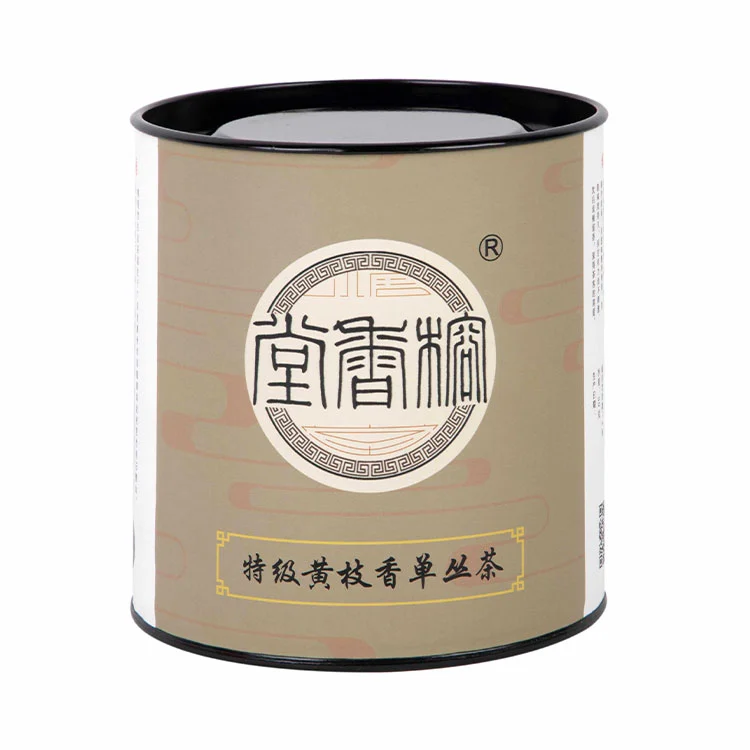
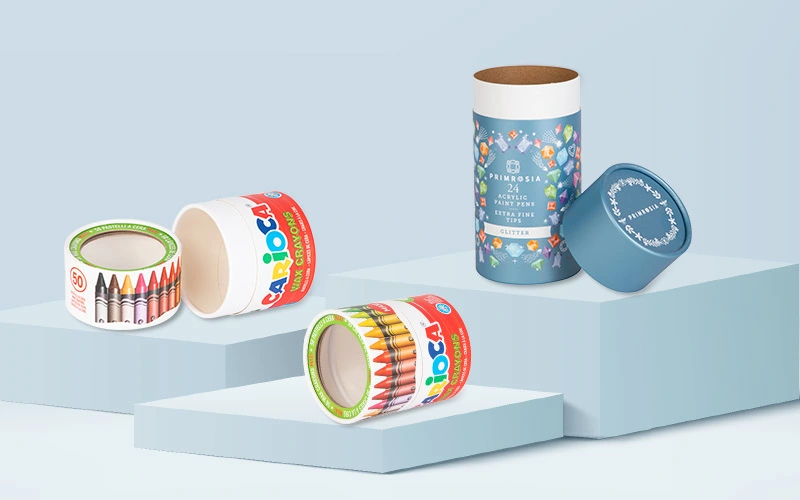
Paper tubes, paper boxes, and paper bags can be relevant for products such as tea, snacks, gifts, stationery, dry foods, cosmetics, and selected powder products. The choice depends on shelf life, barrier requirements, filling process, logistics, and the brand position.
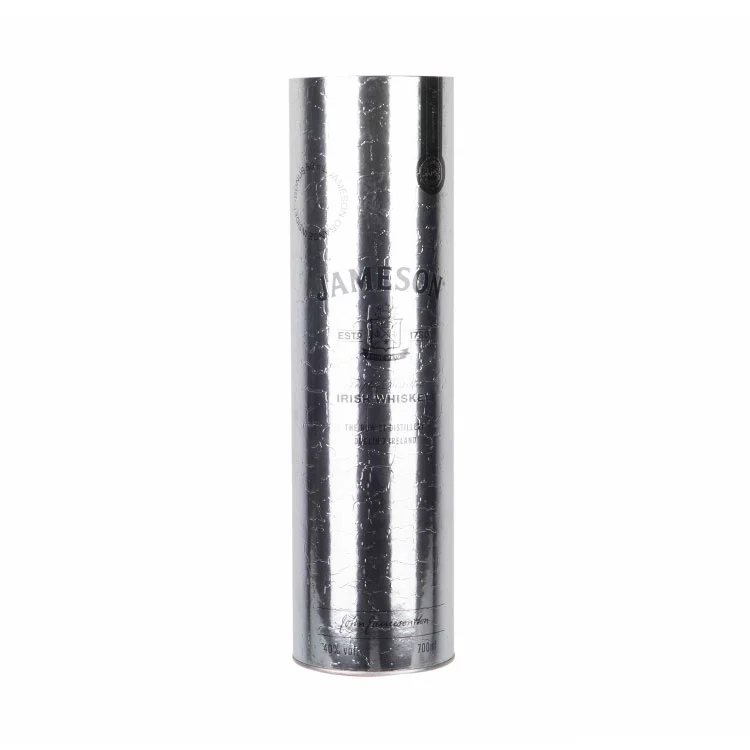
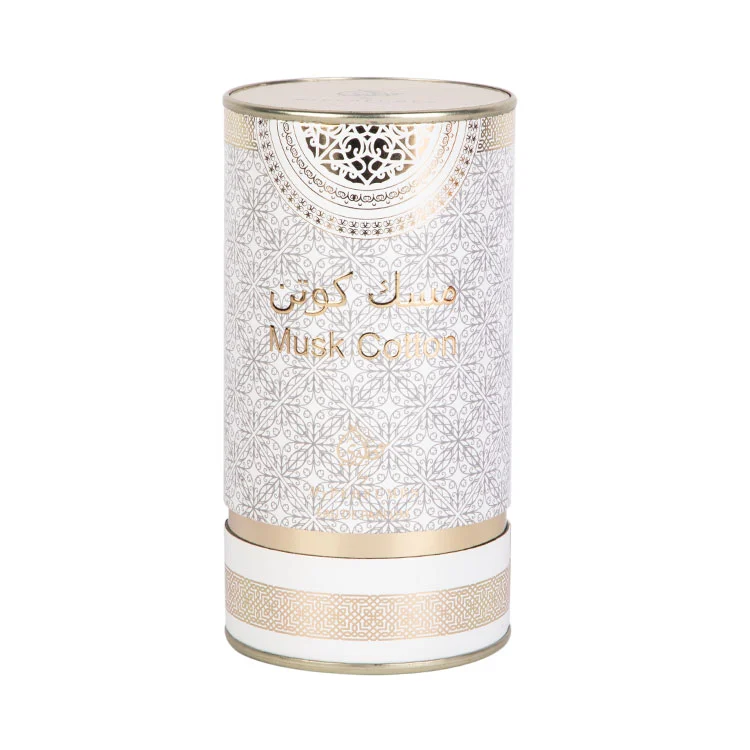
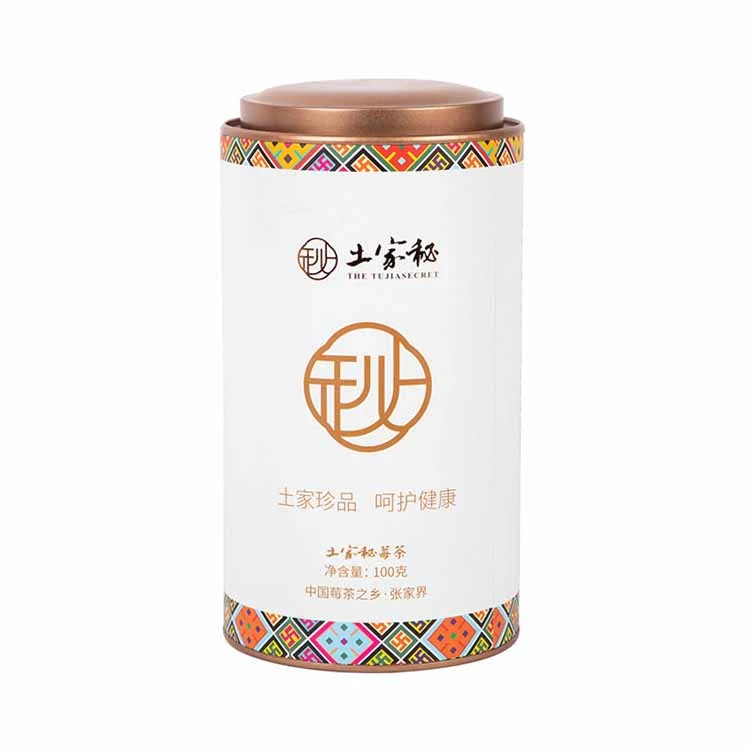
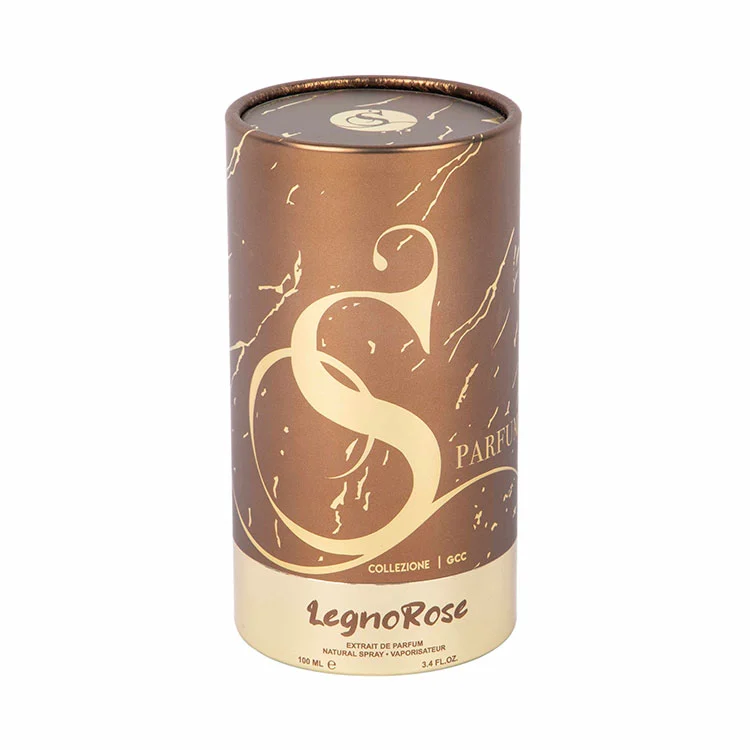
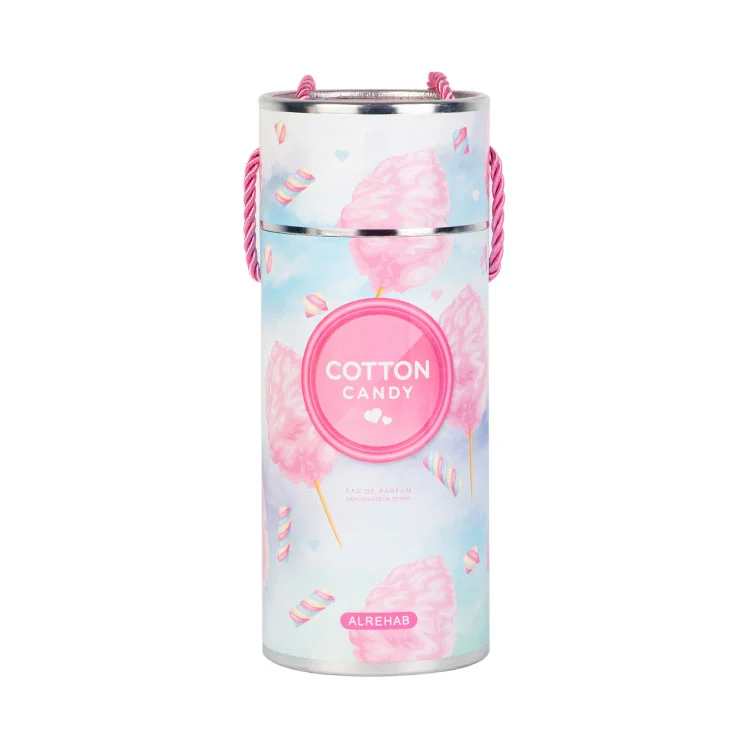
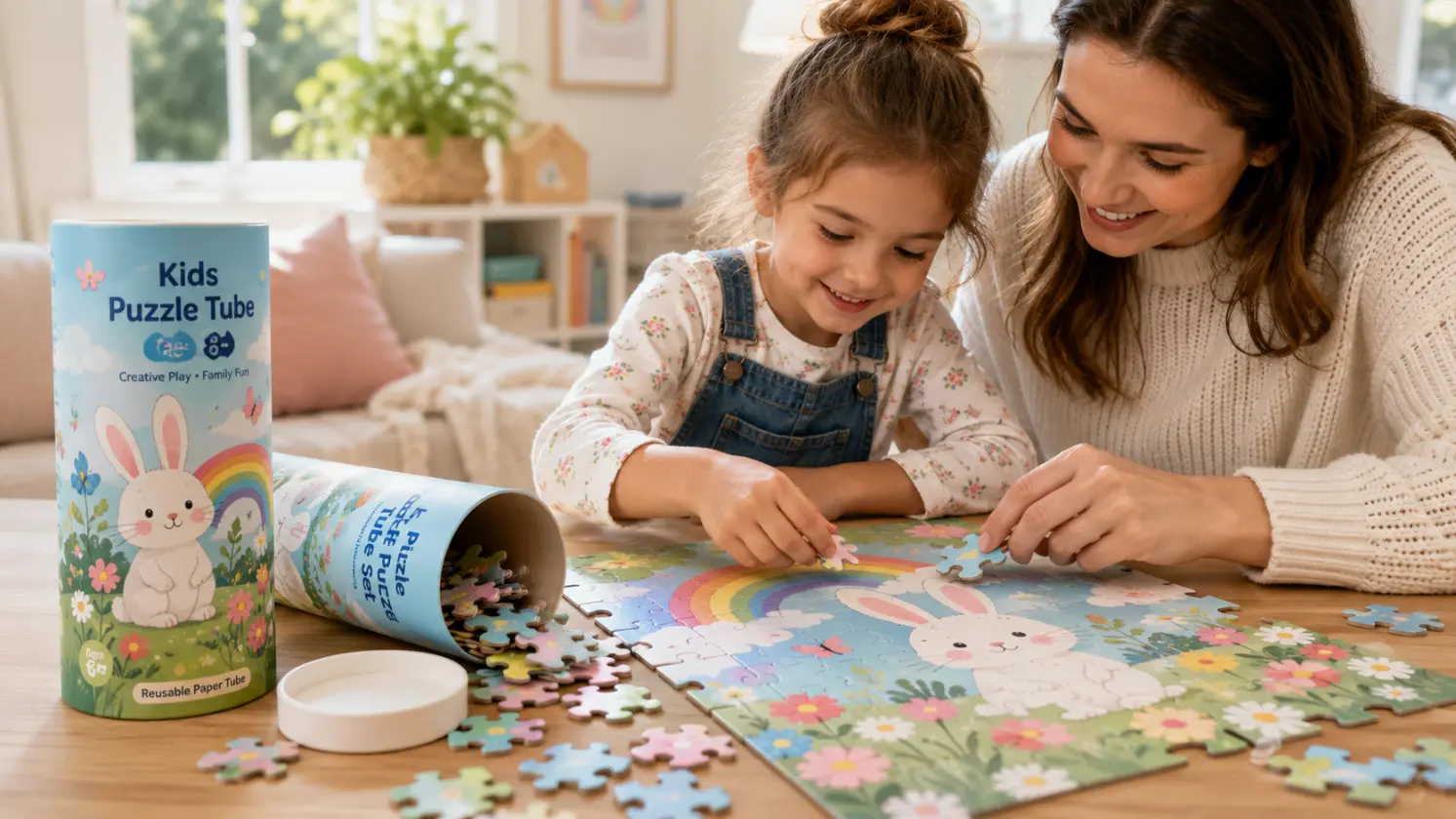
Paper tube packaging is especially useful where structure, shelf presentation, and surface customization matter. The cylindrical body can create a premium product impression, while the surface gives brands room for refined printing, texture, and finishing.
Choosing Materials by Product Scenario
Flexible packaging continues to serve many product needs, and paper based formats serve others. A thoughtful packaging decision starts with the product scenario rather than a fixed material preference.
Brands reviewing packaging formats can compare protection requirements, filling weight, retail display, target market expectations, and sustainability communication. For suitable products, paper tube packaging can be included as part of this evaluation.
Related News
- Why Is a Kraft Paper Tube Essential for Modern Packaging Solutions?
- Why Is Recycled Paper Tube Packaging Becoming Essential for Modern Brands?
- Why Is Sustainable Recycled Paper Canister Becoming the Future of Eco-Friendly Packaging?
- How Cosmetic Brands Are Exploring Paper Based Packaging for Shelf Appeal
- What Makes Paper Canisters Suitable for Protein Powder and Supplements?
- Why Paper Tube Packaging Works Well for Tea Brands
Leave me a message