
How Global Packaging Trends Are Changing Material Decisions for Brands?
Packaging Choices Are Becoming More Strategic
For many consumer brands, packaging used to be evaluated mainly through cost, appearance, and basic product protection. These factors are still important, but today packaging decisions are becoming more strategic. Brands now ask where the material comes from, how stable the supply chain is, whether the package supports clear sustainability communication, and how well it matches consumer expectations in the target market.
A package is no longer only a container. It is part of the first physical experience customers have with a product. Texture, shape, color, structure, and opening experience can all influence how a product is perceived. This is especially true for tea, coffee, snacks, cosmetics, supplements, gifts, and stationery products, where packaging often helps communicate quality before the customer uses the product.

Material Markets Are Making Packaging Planning More Important
Packaging materials are connected to wider commodity markets, manufacturing capacity, logistics, and regional supply chains. When these conditions shift, packaging planning becomes more important for brands that want stable production and predictable costs.
Reuters reported in April 2026 that conflict involving Iran disrupted supplies of plastic feedstock in Asia and pushed plastic prices higher as oil prices approached nearly USD 100 per barrel. The same report noted that some packaging and consumer goods companies began receiving more inquiries for paper based alternatives as brands reviewed their material options under changing market conditions.
Sustainability Communication Needs to Be Clearer
Sustainability language is also becoming more specific. In December 2025, Reuters reported that the European Union planned stricter controls on plastic imports to support Europe recycling sector, including stronger documentation, laboratory checks, audits, and separate customs codes for virgin and recycled plastics.
For brand owners, this shows that sustainability communication works best when it is clear, specific, and connected to real packaging design. Customers and partners increasingly want to understand what the packaging is made from, why the structure was chosen, and how it supports the product.
Paper Tube Packaging as One Practical Option
Different packaging materials serve different product needs. Plastic, glass, metal, paperboard, flexible packaging, and paper tubes all have their own roles depending on product type, protection requirements, logistics, shelf life, branding, and market expectations.
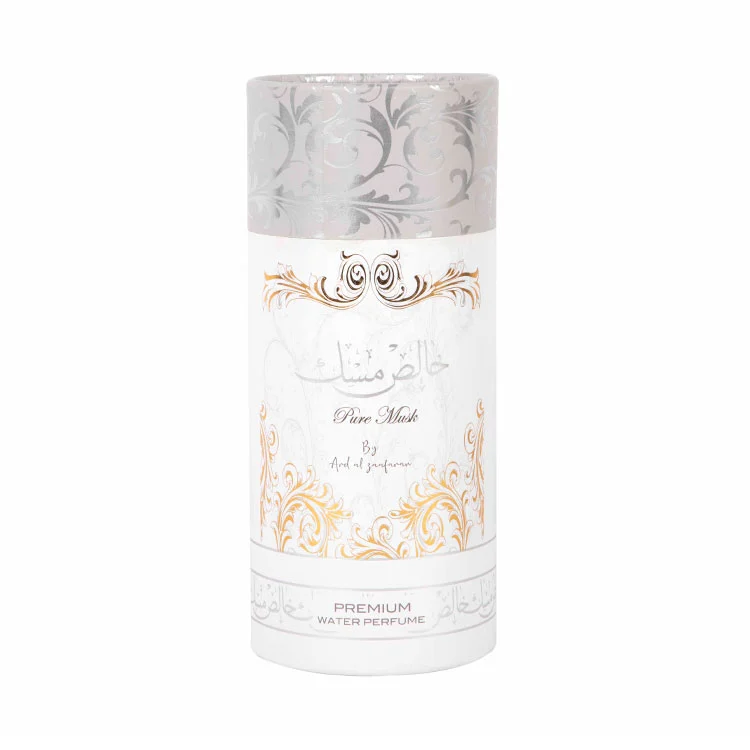
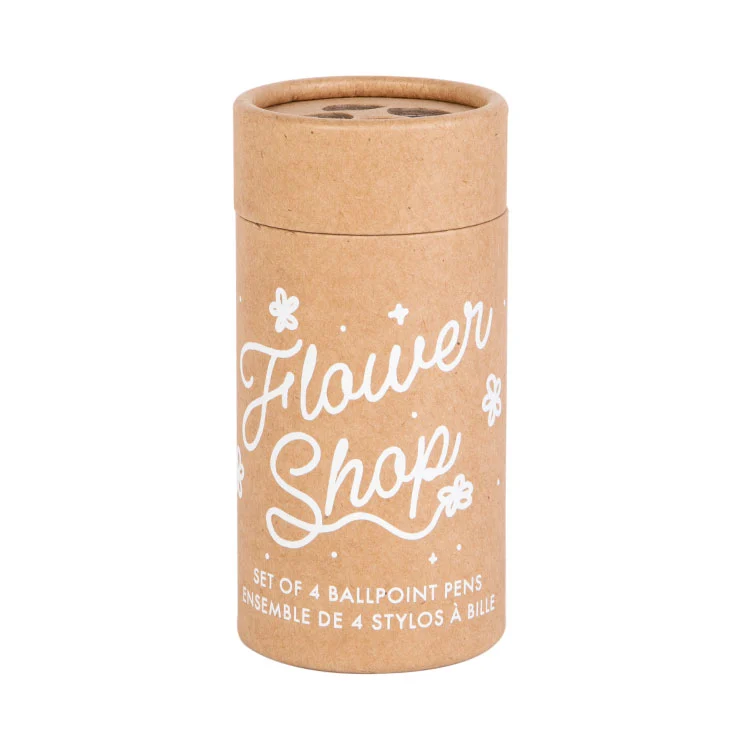
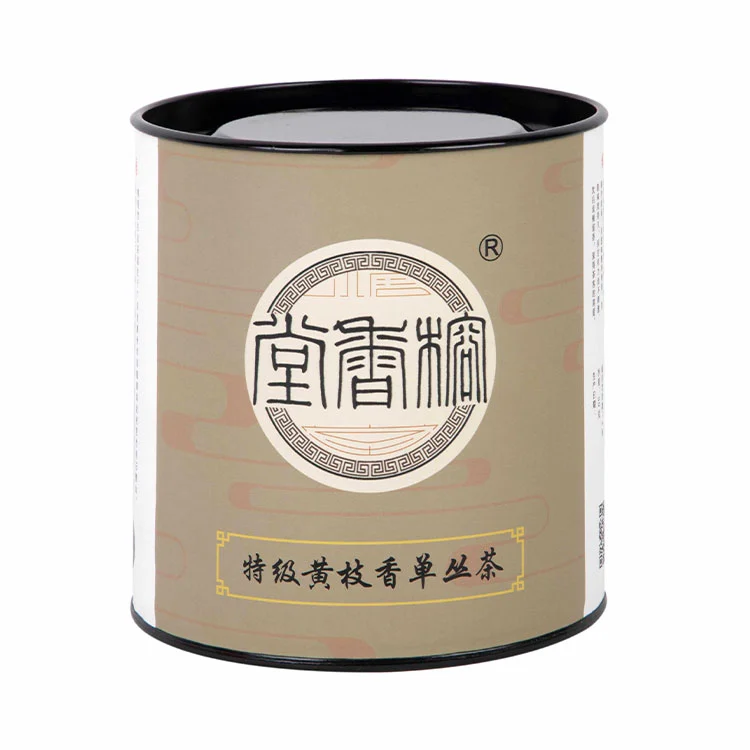
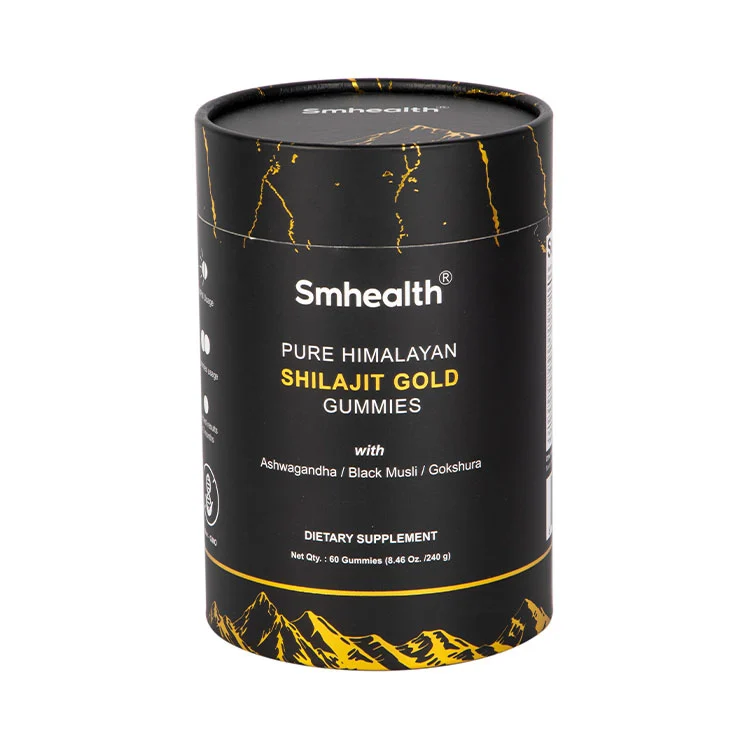
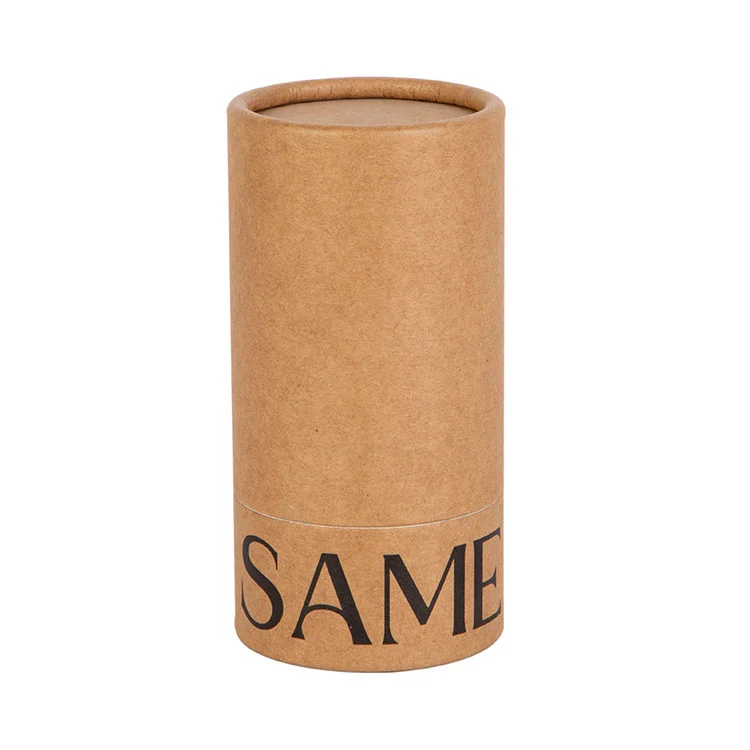
For suitable categories, paper tube packaging can provide structure, printability, shelf appeal, and a clear sustainability story. Its cylindrical form gives products a distinctive display presence, while the surface can be customized through color, texture, printing, embossing, foil stamping, and different finishing options.
Better Packaging Decisions Start with Better Context
Global packaging trends are changing how brands think about material decisions. Cost and appearance still matter, but they are now part of a wider decision making process that includes supply stability, sustainability communication, product protection, consumer expectations, and brand image.
At Yiya Packaging, custom paper tube packaging can be developed according to product size, filling weight, liner requirement, lid type, printing design, and brand positioning. The goal is to help brands choose a packaging structure that fits both the product and the market.
Call to Action
Reviewing packaging options for your brand? Explore custom paper tube packaging solutions designed for product protection, shelf appeal, and sustainability communication.
Related News
- Why Is a Kraft Paper Tube Essential for Modern Packaging Solutions?
- Why Is Recycled Paper Tube Packaging Becoming Essential for Modern Brands?
- Why Is Sustainable Recycled Paper Canister Becoming the Future of Eco-Friendly Packaging?
- How Cosmetic Brands Are Exploring Paper Based Packaging for Shelf Appeal
- What Makes Paper Canisters Suitable for Protein Powder and Supplements?
- Why Paper Tube Packaging Works Well for Tea Brands
Leave me a message