
As War Drives Up Plastic Raw Material Costs, Paper Tube Packaging Becomes a Smarter Alternative
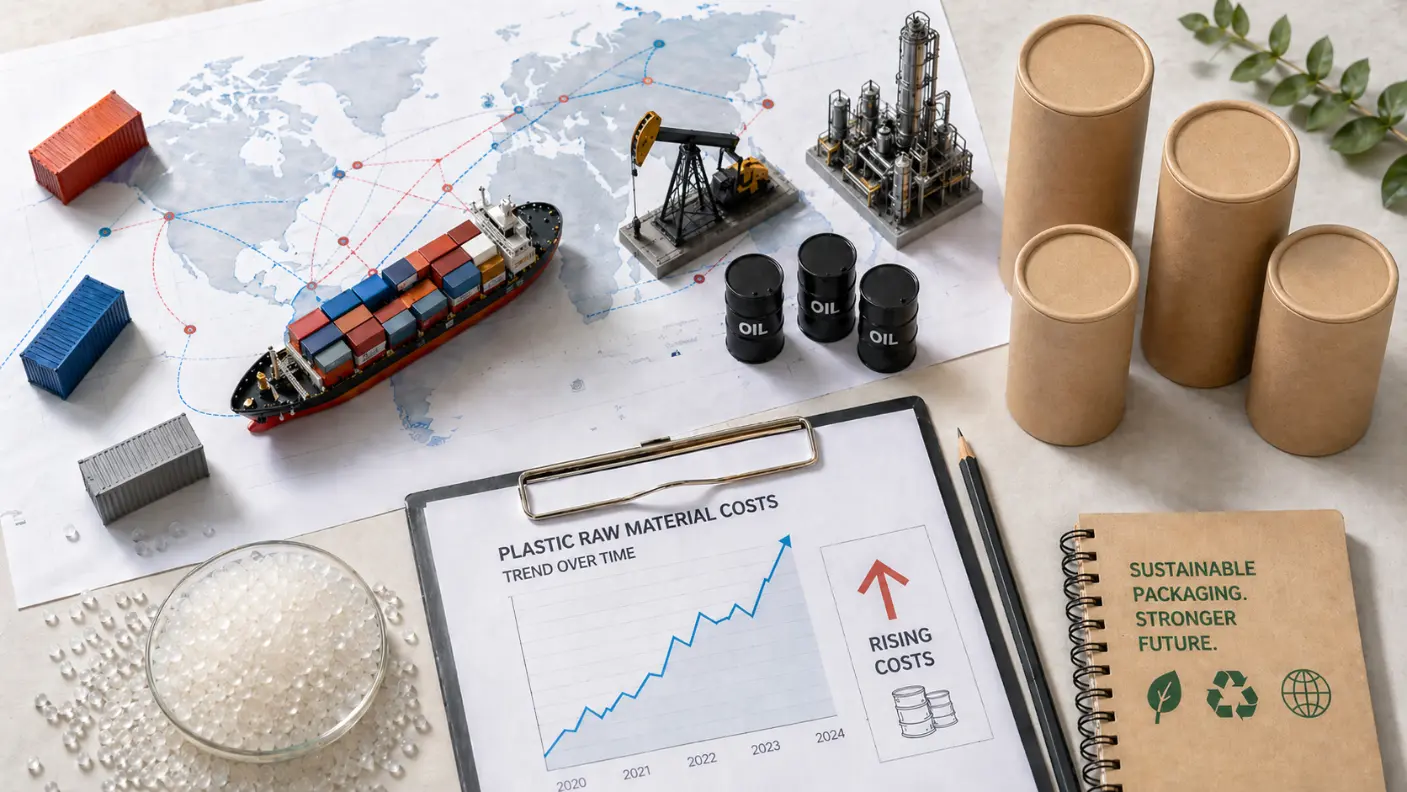
In recent years, plastic packaging has been affected by raw material prices, energy costs, and supply chain uncertainty. In 2026, the Iran war has further intensified this challenge. According to Reuters, disruptions to oil and petrochemical flows through the Strait of Hormuz have tightened global chemical supply and pushed prices of plastics and polymers to roughly four-year highs. Reuters also reported that around $20 billion to $25 billion worth of petrochemical products pass through the Strait every year.
This means the war is not only affecting the energy market. It is also influencing the plastic packaging industry.
Polyethylene, also known as PE, and polypropylene, also known as PP, are widely used in plastic packaging, including bottles, caps, films, containers, and other packaging products. Reuters reported that prices of PE and PP have risen since the Middle East conflict began, driven by higher crude oil and feedstock costs. Market data cited by Reuters showed that polyethylene prices on the Dalian Commodity Exchange jumped nearly 37%, while polypropylene prices rose more than 38% since the conflict began in late February 2026.
For brands, this creates a direct challenge. Higher plastic raw material prices may lead to higher packaging costs, less predictable lead times, and greater supply chain risk. A CNN transcript also discussed how the war has triggered supply shocks, with rising oil prices, transportation costs, packaging costs, and plastic costs potentially affecting consumer-facing companies.
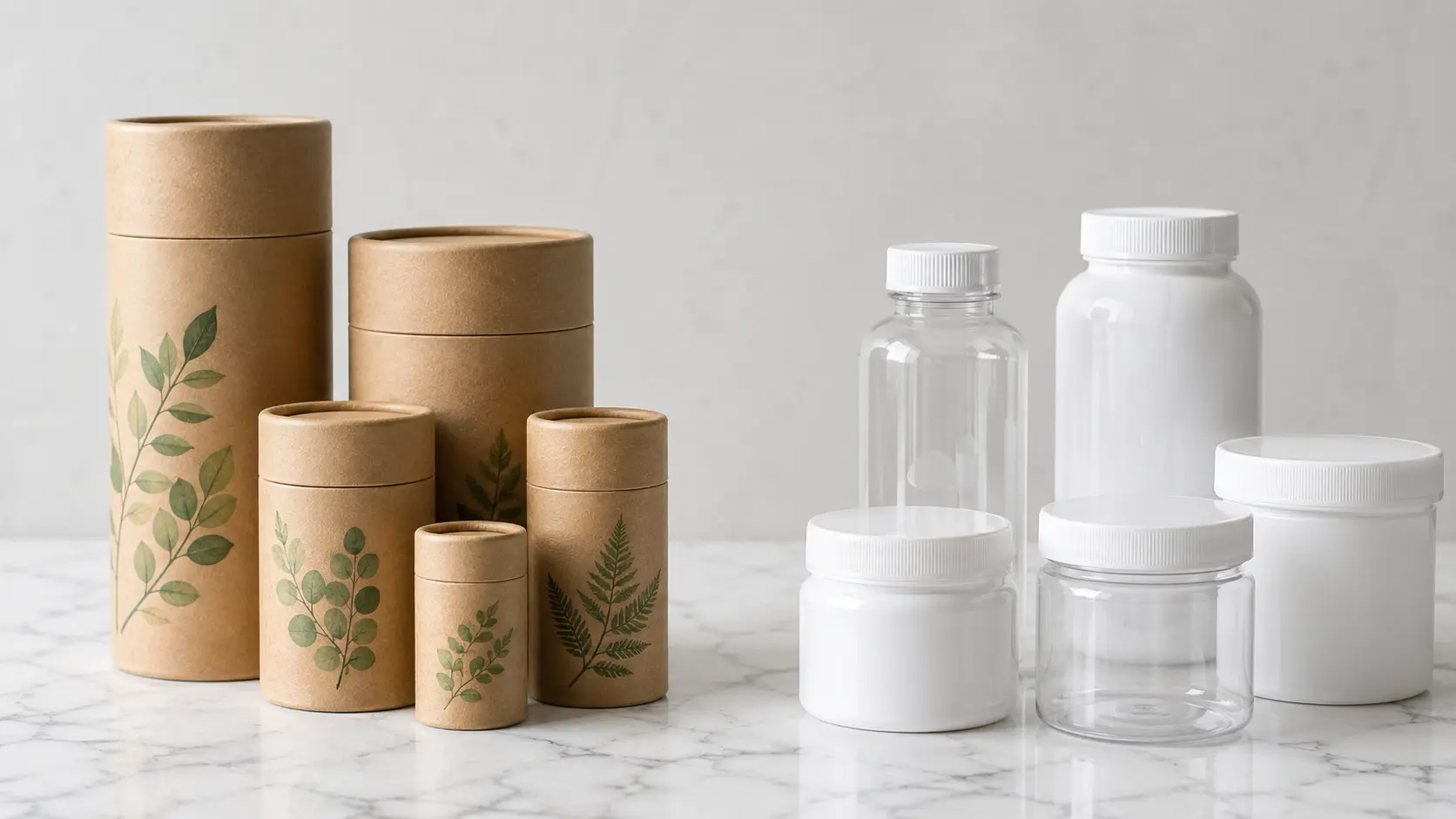
In this environment, more brands are rethinking their packaging choices. The advantages of paper tube packaging are becoming more visible.
First, paper tube packaging is mainly made from paper-based materials, helping brands reduce their reliance on traditional plastic packaging. For companies that care about sustainability, environmental responsibility, and brand image, paper tube packaging can communicate a more natural, responsible, and premium impression to consumers.
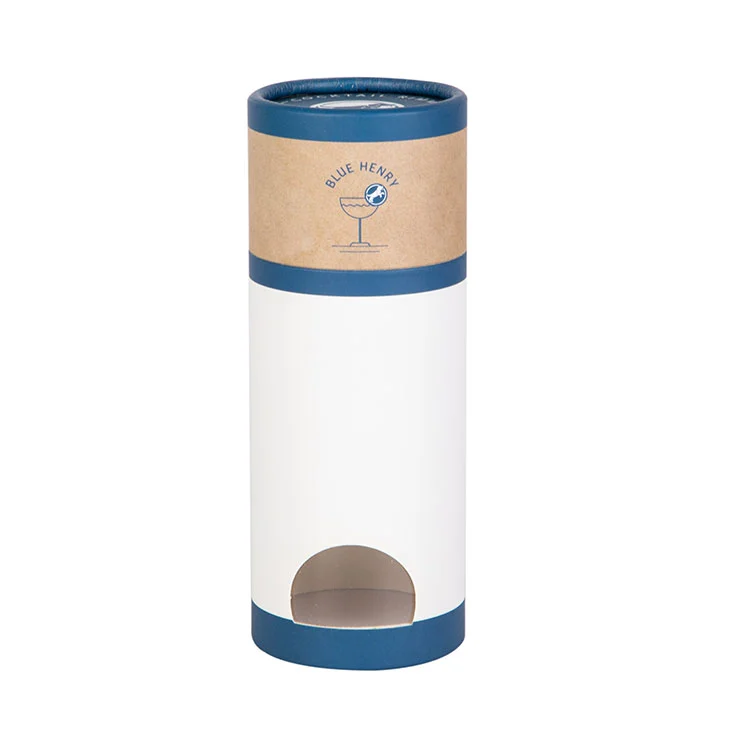
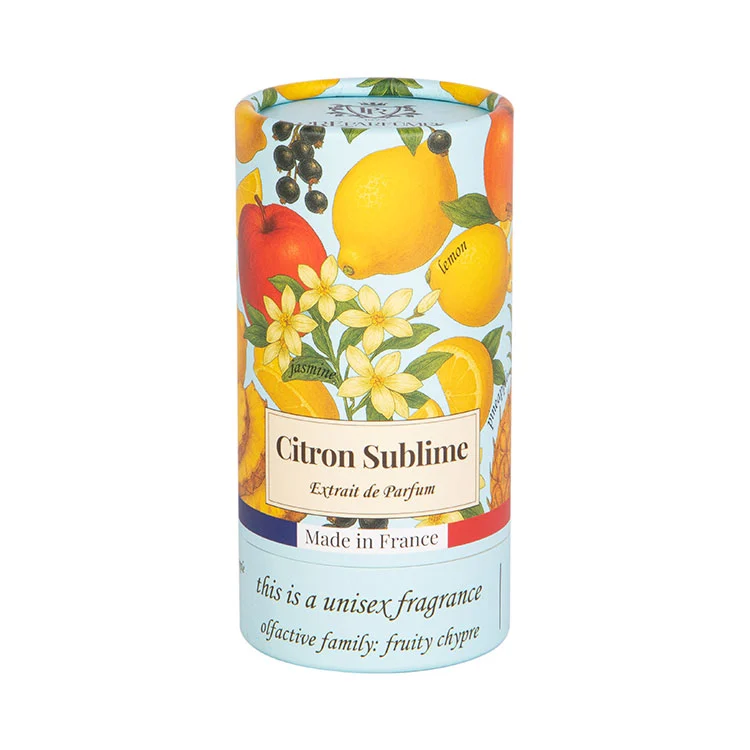
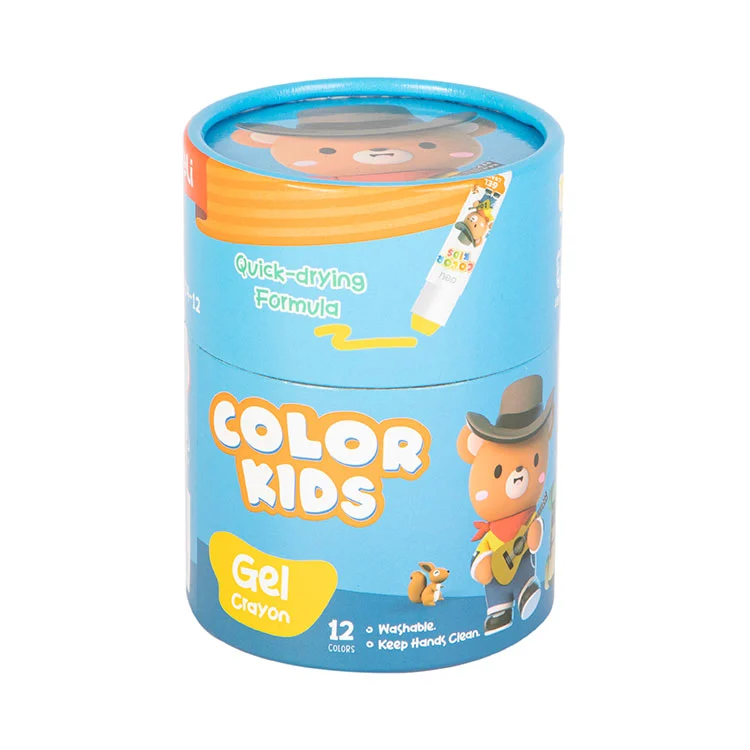
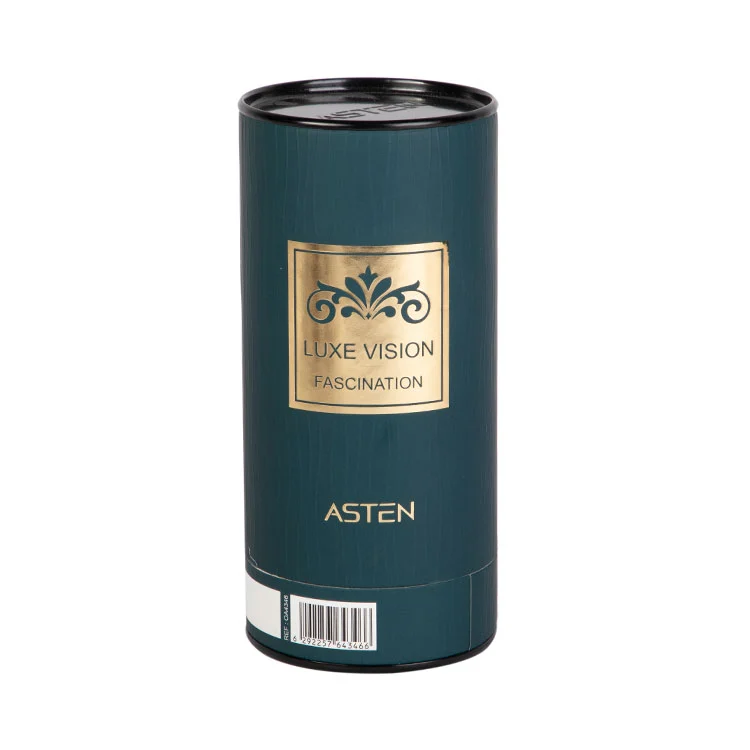
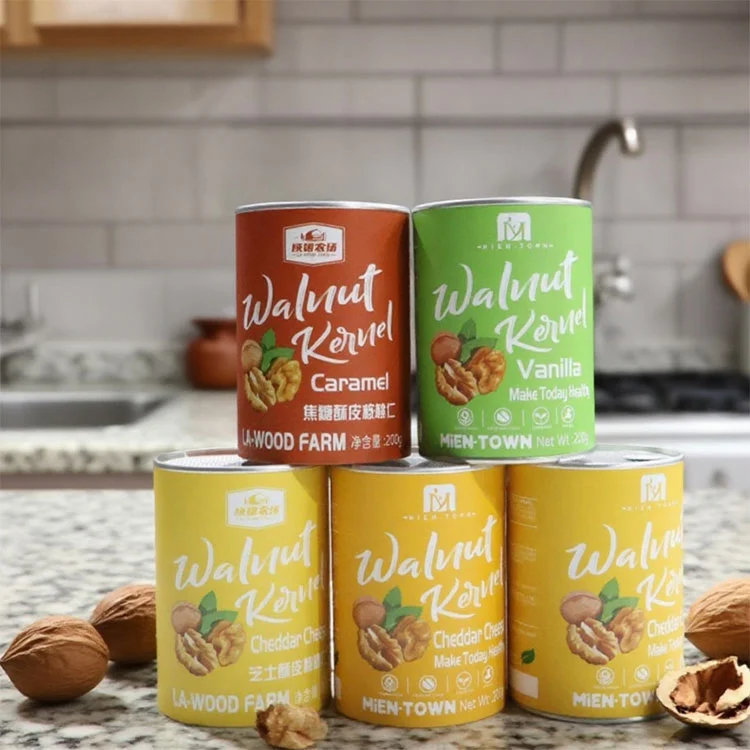
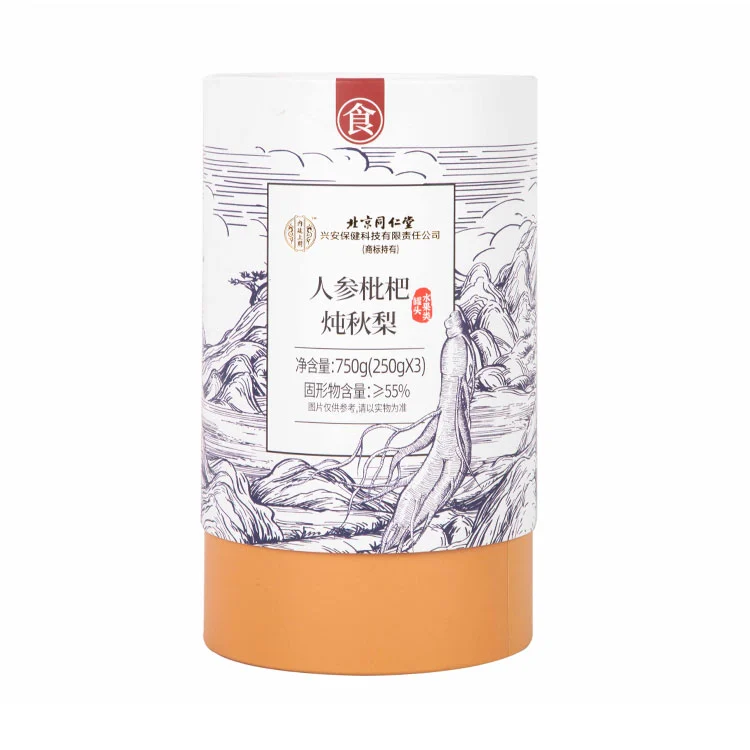
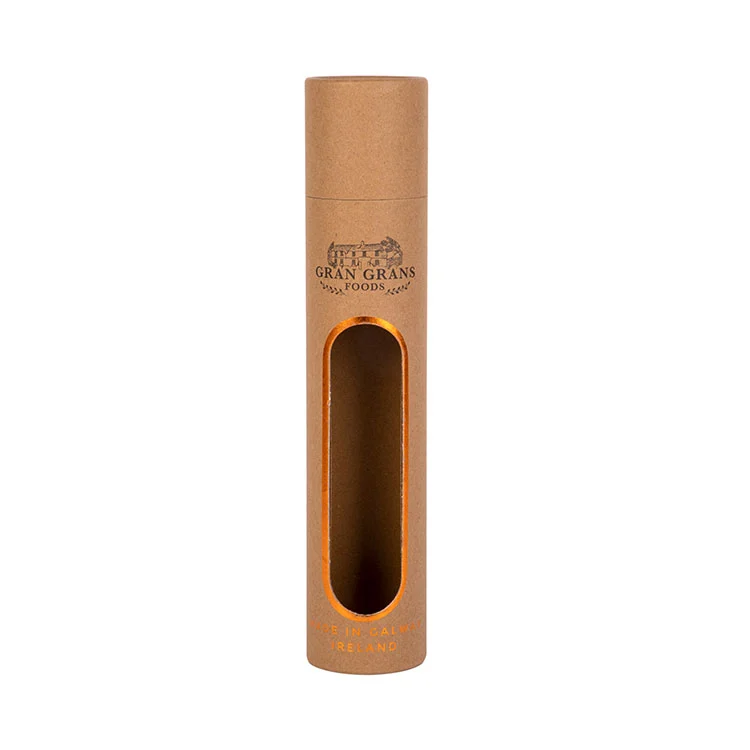
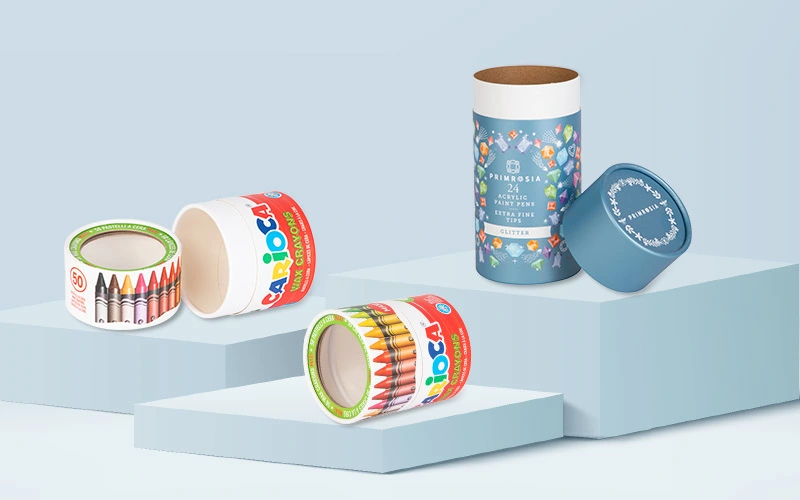
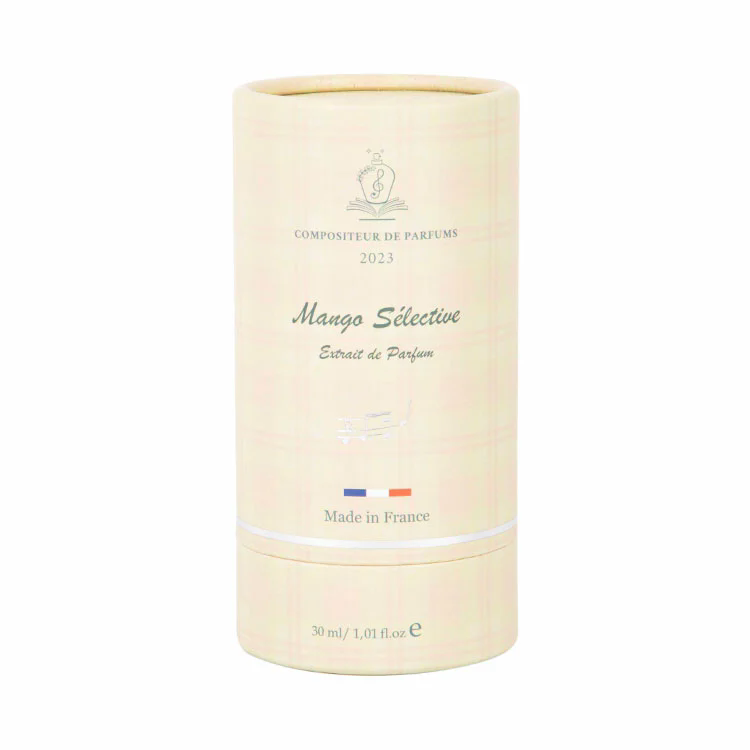
Second, paper tube packaging offers strong visual appeal. Its cylindrical structure is highly recognizable and can be customized with different colors, textures, printing effects, and finishing options. It is widely suitable for tea, food, gifts, children’s products, cosmetics, crayons, candles, supplements, and many other products. Compared with common plastic packaging, paper tube packaging gives brands more space to tell a story and create a stronger shelf presence.
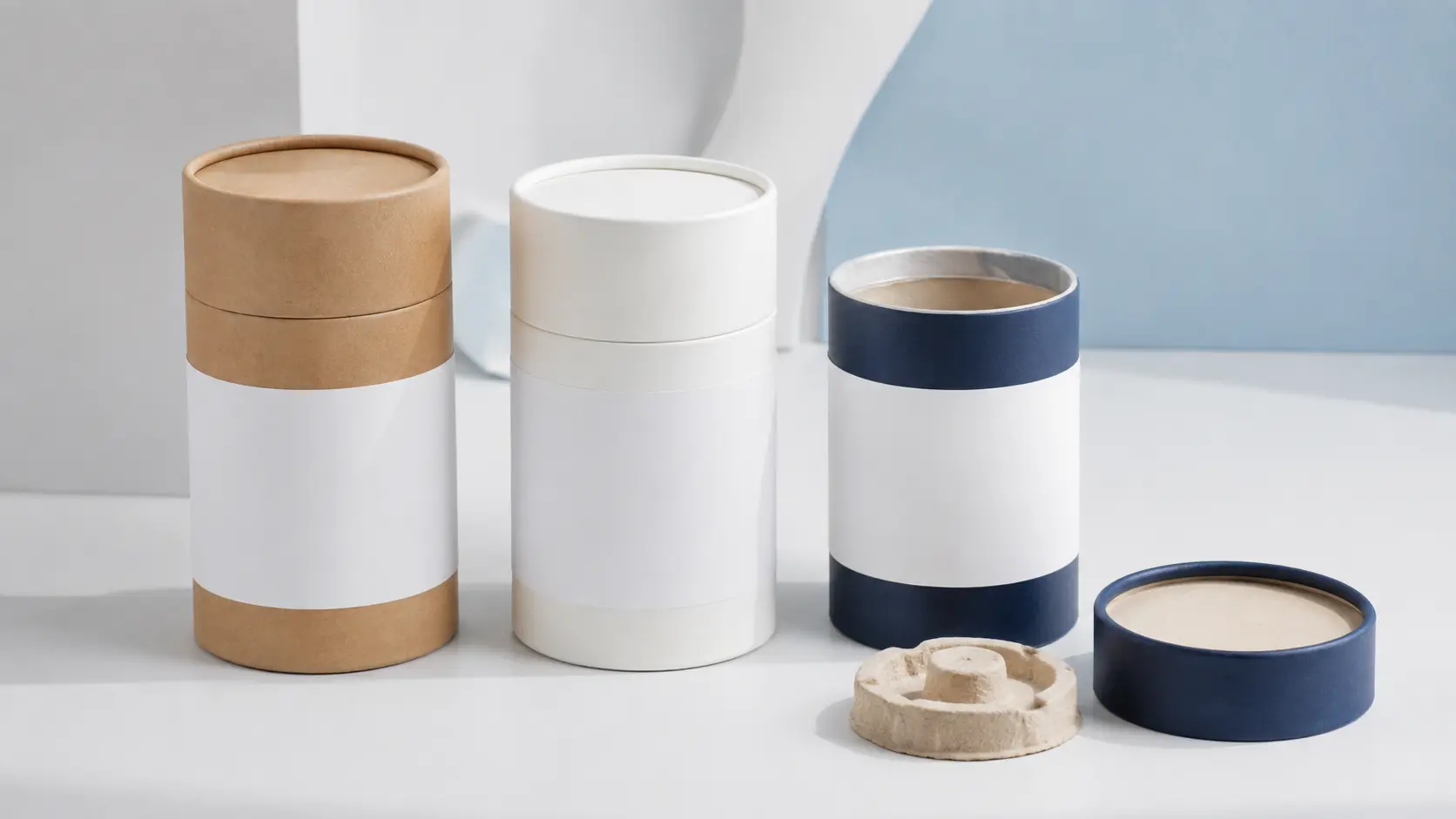
Third, paper tube packaging is highly customizable. Brands can choose different sizes, heights, diameters, lid types, inner linings, paper materials, and printing effects. Whether the product needs a simple eco-friendly look or a premium gift-style presentation, paper tube packaging can be adjusted to match the brand position.
More importantly, when plastic raw material prices continue to fluctuate, paper tube packaging provides brands with a long-term packaging option. It is not only a material alternative. It is also a way to upgrade brand image.
OECD’s Global Plastics Outlook points out that the plastics lifecycle is closely linked to climate change because plastics are largely derived from fossil fuels, while plastic production and waste management generate greenhouse gas emissions. UNEP also states that plastic production contributes to significant greenhouse gas emissions. These facts show that reducing dependence on traditional plastic packaging has become an important direction for the global packaging industry.
For brands, packaging is more than a protective shell. It is the first impression consumers see. It is part of product value. It is also a visible expression of corporate responsibility.
When the global plastic supply chain is affected by war, energy costs, and transportation pressure, choosing a more sustainable and brand-friendly packaging solution becomes increasingly important.
Yiya factory's paper tube packaging can be customized according to product needs, including size, structure, paper material, printing process, inner lining, and lid design. We aim to help brands find packaging solutions that are more stable, more sustainable, and more attractive in a changing market.
As plastic costs rise and sustainability expectations grow, paper tube packaging is becoming more than an alternative. It is a smart step toward long-term packaging upgrade.
Related News
- Paper Tube Quality Control in 2026: A Practical AQL Inspection Guide for Buyers
- How Food Brands Should Review Paper Tube Barrier Packaging?
- What Light-Blocking Eco Cardboard Tubes Help Niche Perfume Brands Pass EU PPWR Audits?
- How Do Composite Wine Paper Cylinders Solve Export Compliance & Logistics Breakage Troubles For Spirits Brands?
- Why Is a Kraft Paper Tube Essential for Modern Packaging Solutions?
- Why Is Recycled Paper Tube Packaging Becoming Essential for Modern Brands?
Leave me a message