
How to Choose Between Different Packaging Materials for Your Product
Start with the Product
The best packaging decision starts with the product, not the material. Before choosing a packaging format, brands should understand what the product needs during filling, storage, transport, retail display, and consumer use.
Questions such as moisture sensitivity, oil content, aroma protection, shelf life, filling weight, display method, and target market expectations should come before the final material decision.
Key Questions Before Choosing Packaging
A practical packaging review can begin with a simple checklist. Does the product need strong moisture resistance? Is it a powder, liquid, solid, or fragile item? Does it need to be visible through the packaging? Will it be sold online, in retail stores, or as a gift product?
Brands should also consider how the packaging supports the product price level. A premium tea, skincare set, supplement powder, or gift item may need packaging that feels more refined and memorable than a basic container.
Common Packaging Materials and Where They Fit
Plastic packaging is lightweight, flexible, and widely used for many high efficiency applications. Glass packaging offers transparency and a premium feel for products where visibility matters. Metal packaging can provide durability and barrier performance in selected categories.
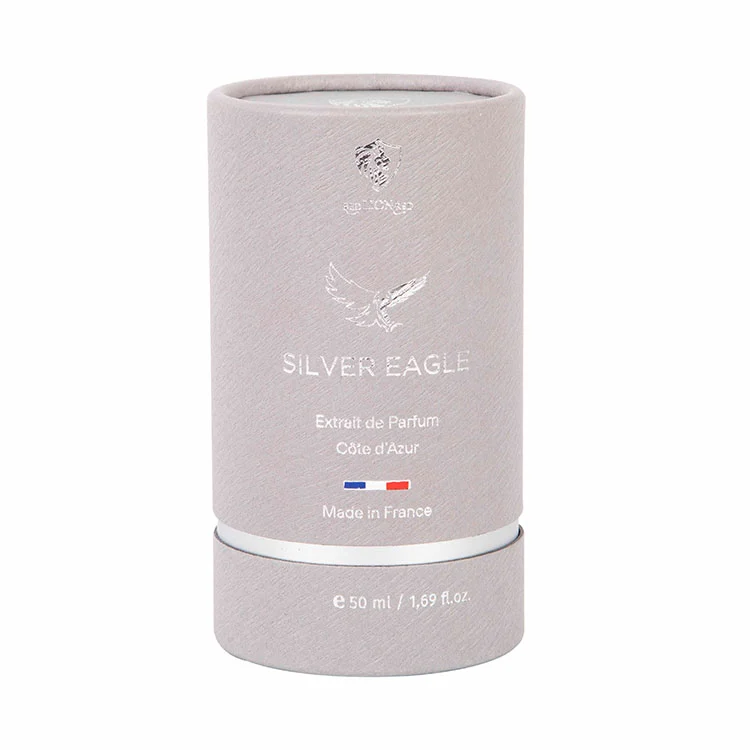
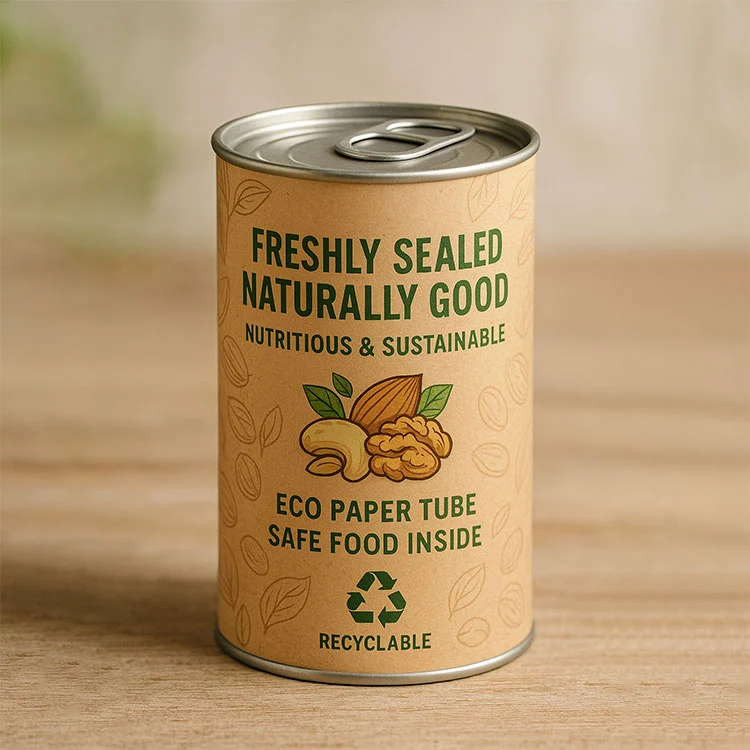
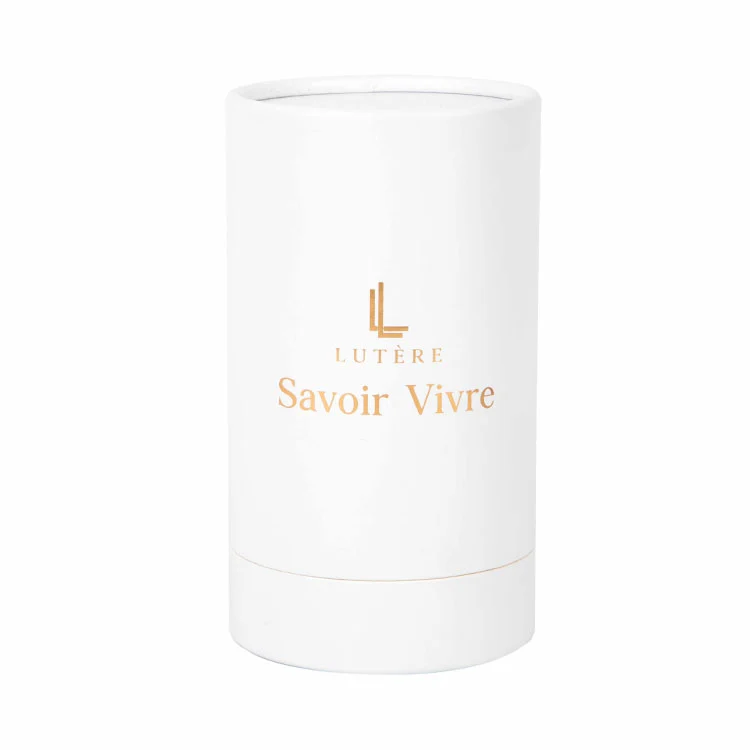
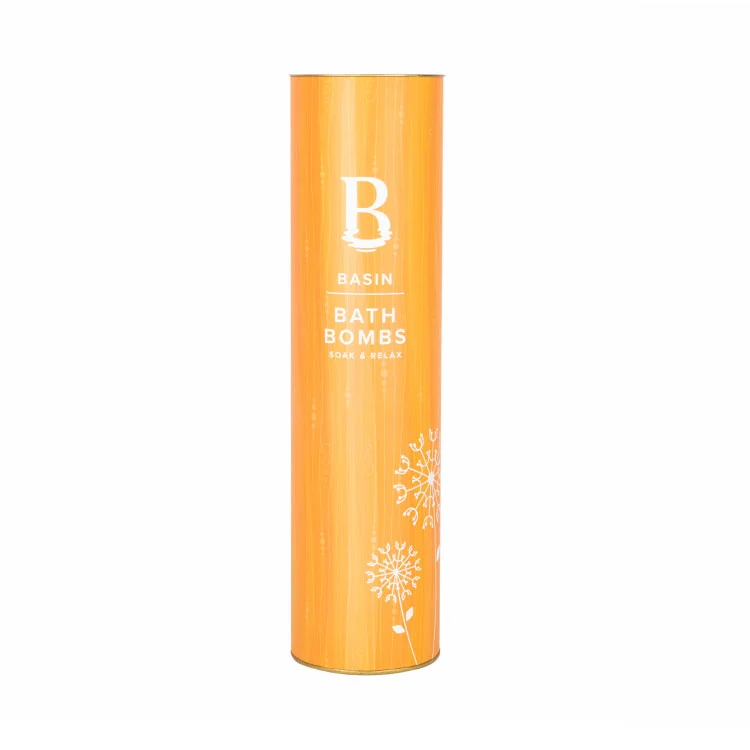
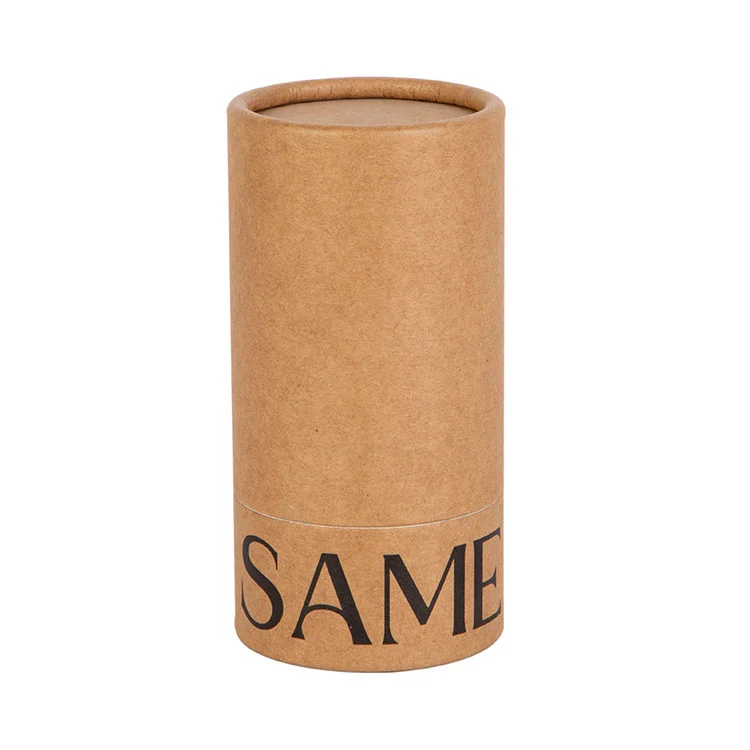
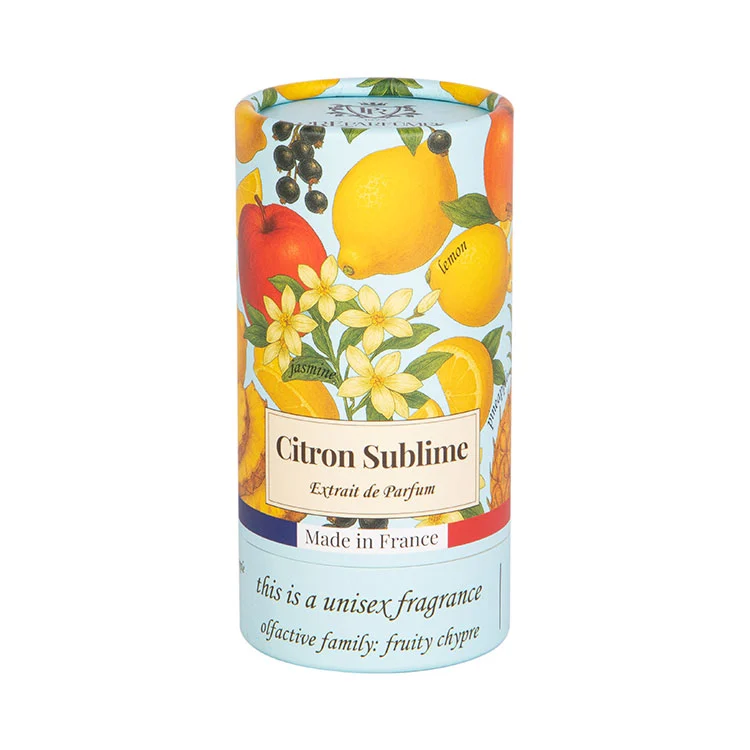
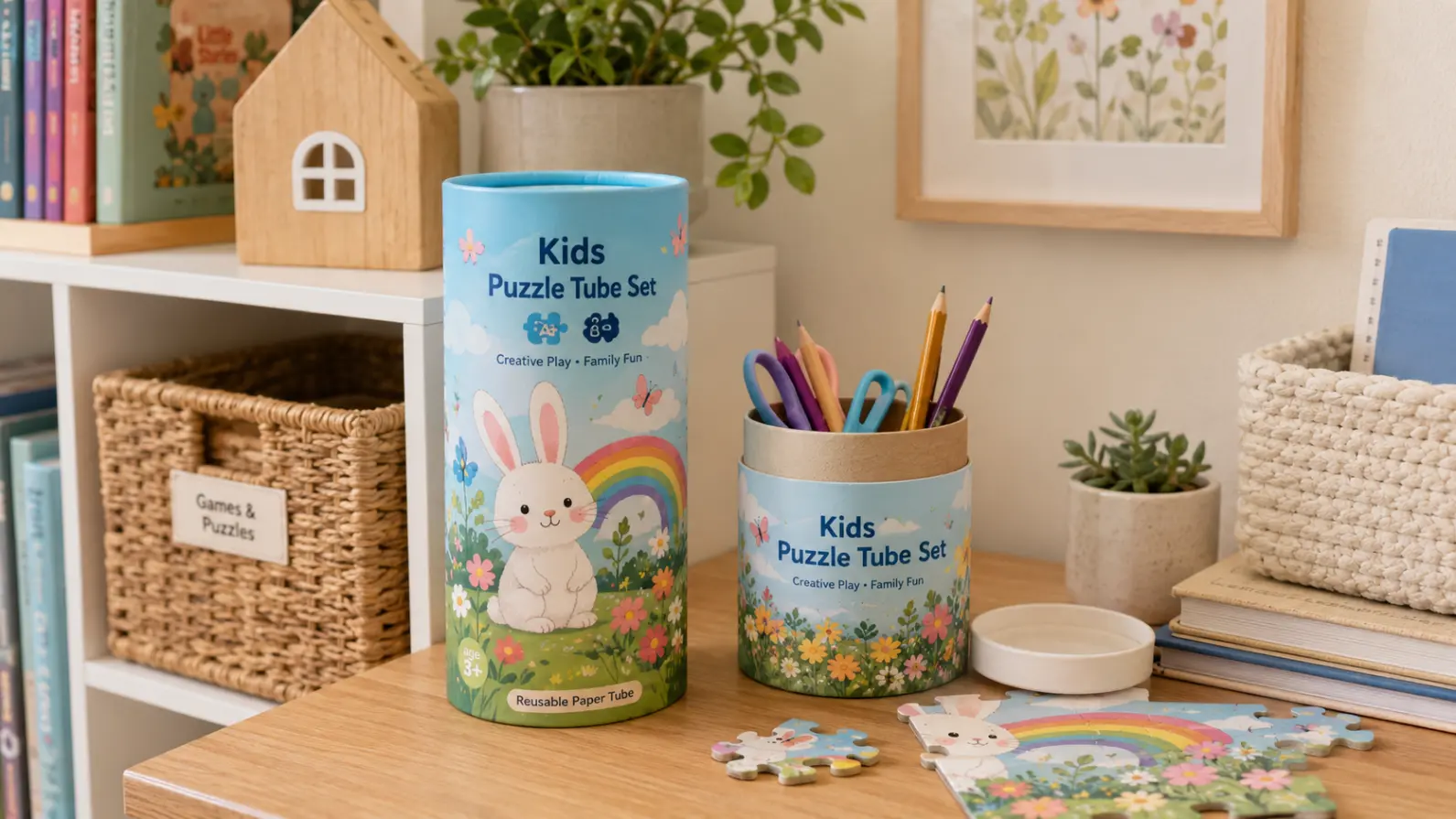
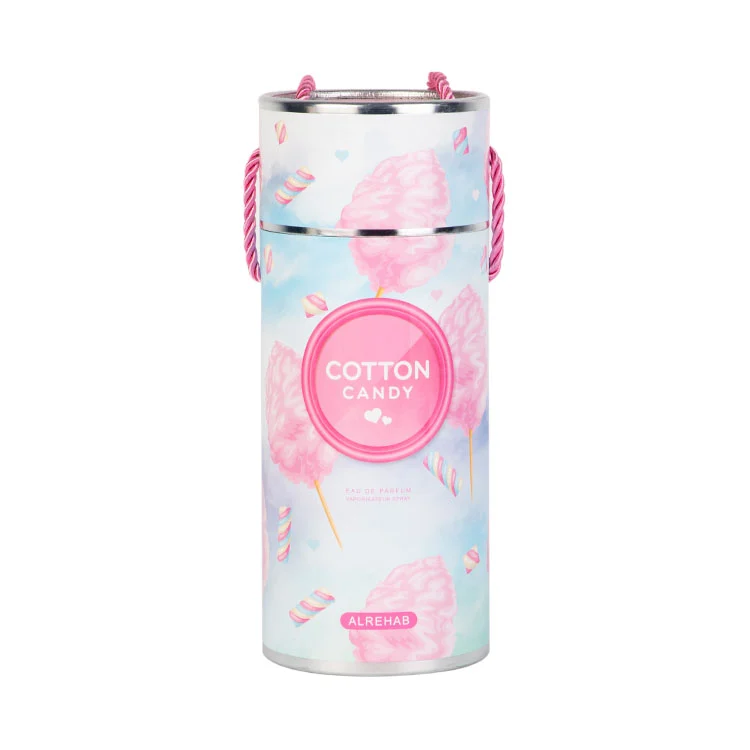
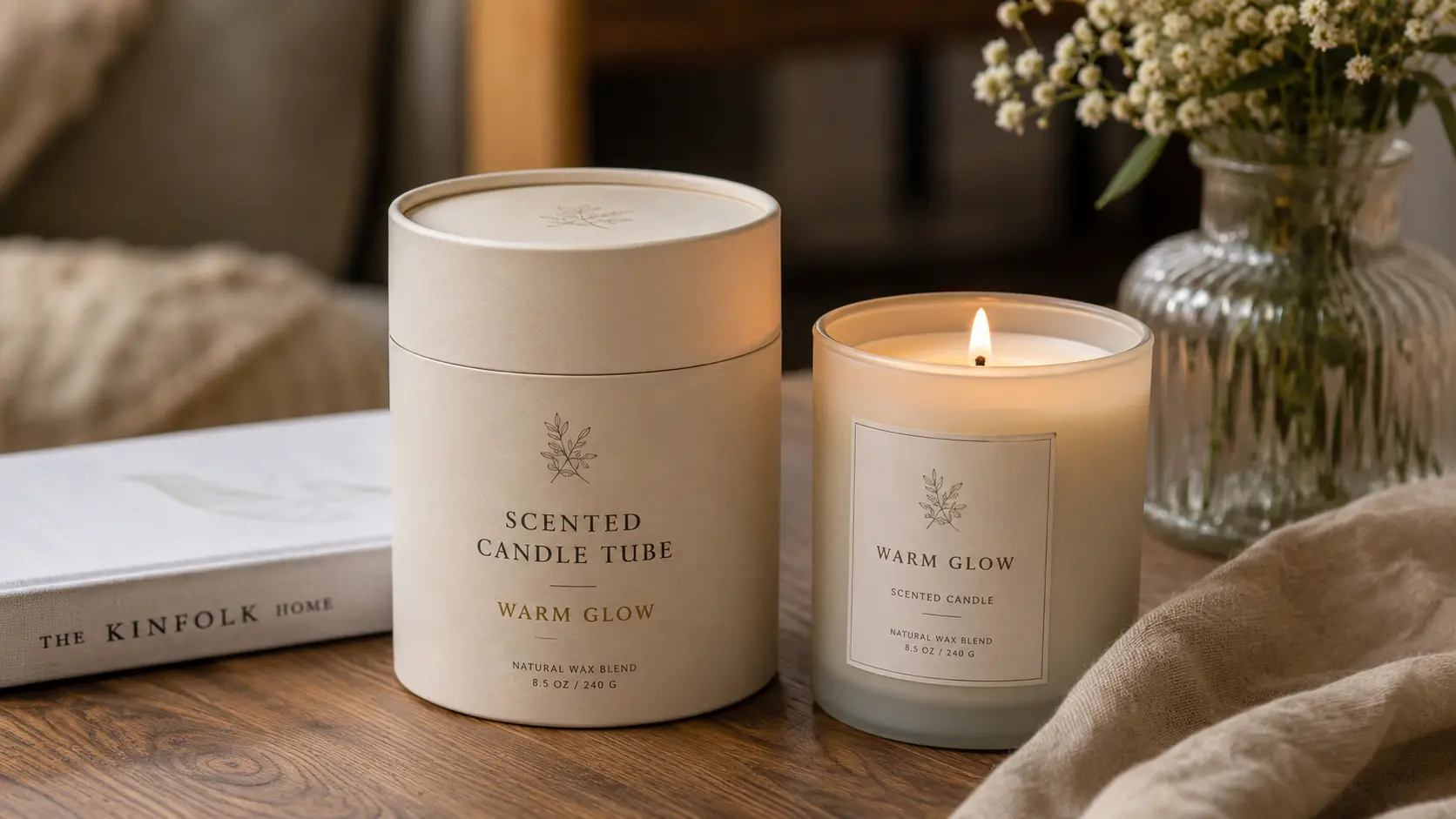
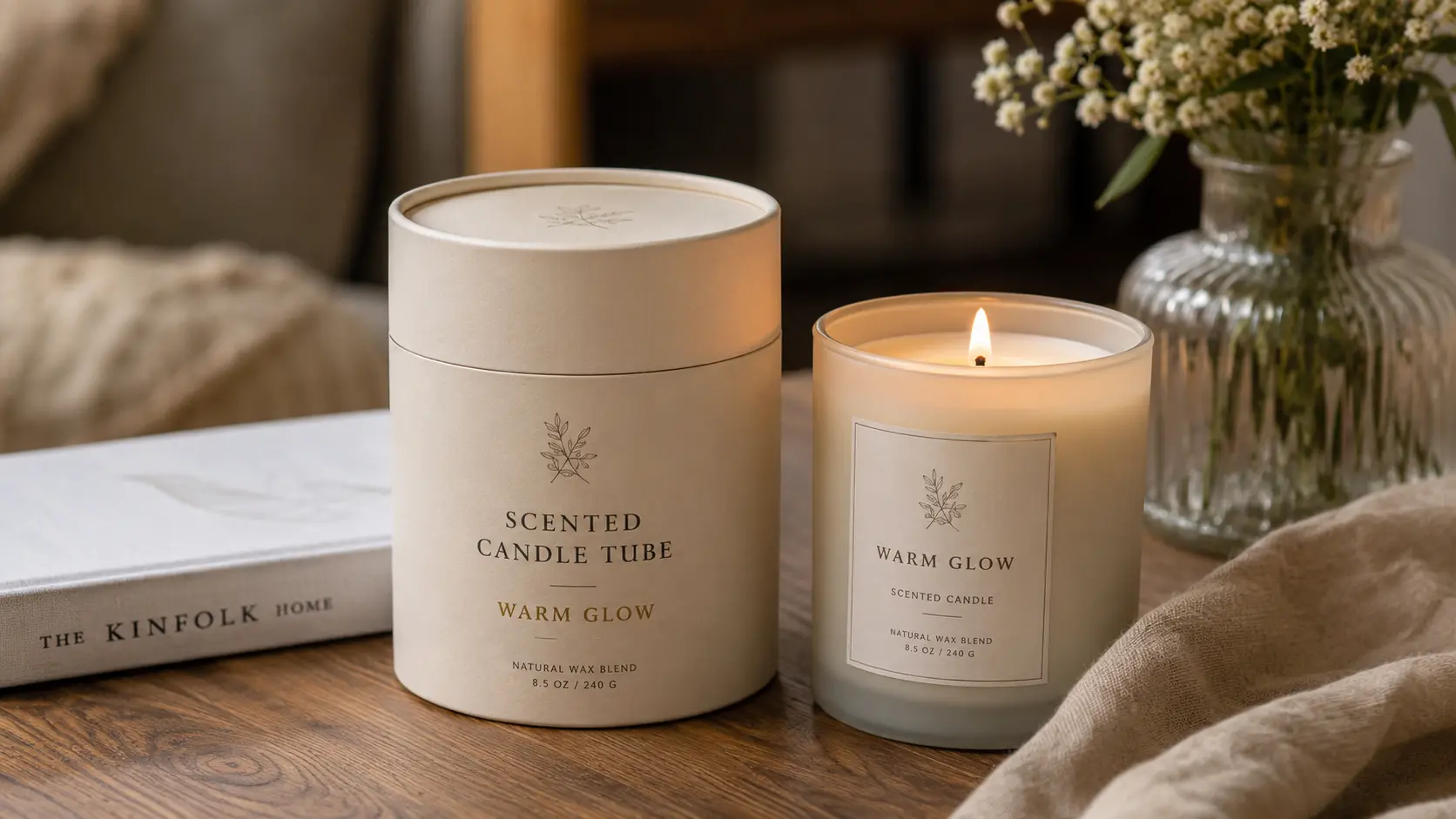
Paper based packaging is printable, customizable, and often useful for natural branding and sustainability communication. Paper tube packaging adds a structured cylindrical shape, making it suitable for tea, coffee, snacks, cosmetics, supplements, gifts, candles, and stationery.
When Paper Tube Packaging Is Worth Considering
Paper tube packaging is worth considering when the brand needs shelf appeal, a tactile paper feel, a giftable structure, and room for customized printing or finishing. It can be designed in many sizes and visual styles, from minimal and natural to light luxury and sport inspired.
For products that need additional protection, paper tubes can be combined with suitable liners, closures, and sealing structures. This makes them useful not only for visual presentation, but also for practical product needs.
Evaluate Packaging with a Supplier
When discussing packaging with a supplier, brands should provide product dimensions, filling weight, shelf life requirements, target market, printing design, lid preference, and order quantity. This allows the supplier to recommend a realistic structure.
A good packaging decision should protect the product, support the brand image, fit the market, and remain practical for production. Paper tube packaging can be one strong option when these needs align with a paper based cylindrical format.
Related News
- Paper Tube Quality Control in 2026: A Practical AQL Inspection Guide for Buyers
- How Food Brands Should Review Paper Tube Barrier Packaging?
- What Light-Blocking Eco Cardboard Tubes Help Niche Perfume Brands Pass EU PPWR Audits?
- How Do Composite Wine Paper Cylinders Solve Export Compliance & Logistics Breakage Troubles For Spirits Brands?
- Why Is a Kraft Paper Tube Essential for Modern Packaging Solutions?
- Why Is Recycled Paper Tube Packaging Becoming Essential for Modern Brands?
Leave me a message